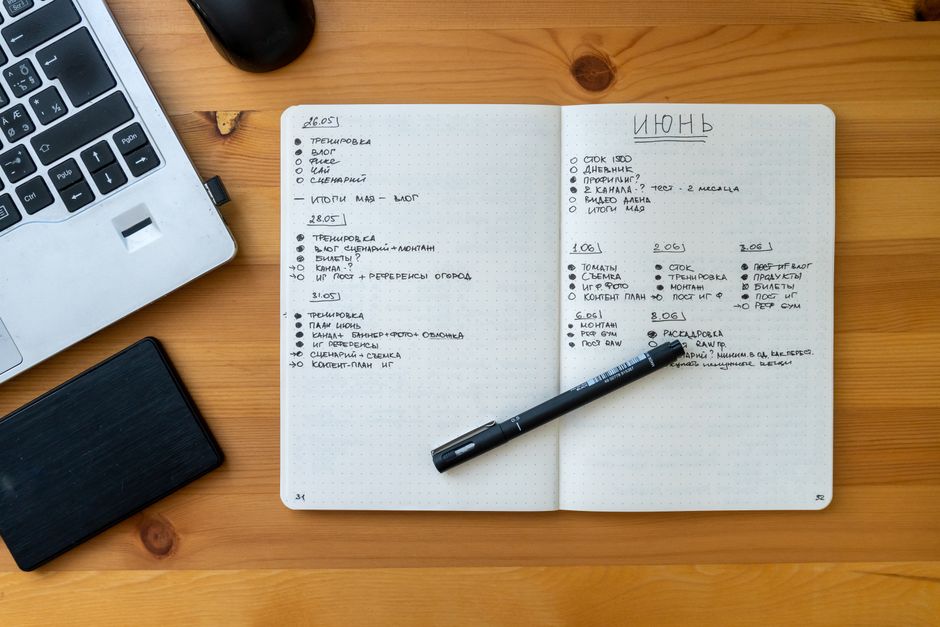
On an ordinary weekday, the calendar sidebar on your screen is filled to the brim with back-to-back meetings. You glance at it while trying to prioritize your tasks, but the notifications from Slack and email keep pulling your attention away. The top three tasks on your list never seem to change, and yet, as you prepare for the next work session, you feel the familiar weight of burnout creeping in. The mismatch between your desk planning and your actual workflow habits makes it hard to maintain focus, especially when you know you need to block out time for a concentrated effort.
During these short planning resets, the friction of constant task switching can derail your best intentions. You sit there, staring at the screen, realizing that you often skip a critical step: reviewing your visible task list before diving into a focus block. Instead of aligning your energy with the day's demands, you find yourself reacting to every ping and notification. This chaotic pattern not only disrupts your workflow but also leaves you drained by the end of the day. A simple adjustment in how you approach your task list could help streamline your focus and mitigate the burnout that comes from juggling too many priorities at once.
The Expected Routine Before a Work Session
Sitting at a cluttered desk, you glance at the calendar open on one side, while your focus block sits ready on the other. The plan is straightforward: tackle the top three tasks without distractions. Yet, as you prepare for this work session, the familiar tension builds. You know that without a clear plan, the chaos of notifications will soon take over.
First, you need to check your visible task list. This list should reflect your priorities for the day, but often it’s a jumble of half-finished tasks and new requests. Before diving into your focus block, take a moment to rewrite the top three tasks clearly on a sticky note. This small action creates a tangible reminder of what needs your attention, aligning your energy with your actual workload.
Next, set a timer for your focus block. This helps create a buffer against the constant task switching that usually derails your productivity. As you start the timer, close unnecessary tabs and silence email notifications. The goal is to create a dedicated space for your work session, allowing you to immerse yourself fully in the task at hand.
However, if you skip the step of aligning your task list with your focus block, you may find yourself overwhelmed by Slack messages or email pings. The friction of these interruptions can turn your well-intentioned work session into a series of fragmented moments, leaving you drained and frustrated. This cycle of distraction not only hampers your focus but also contributes to burnout, making it crucial to establish a clear and consistent routine before you begin.
Where Focus First Breaks Down
During a typical weekday, as I glance at my calendar sidebar, I see a series of back-to-back meetings scheduled, each one a reminder of the tasks I intended to tackle. The first visible sign of drift occurs when notifications from Slack and email start popping up, diverting my attention from the focused task I had planned. I had intended to block out a solid hour to work on a client proposal, but the clutter of my workspace, both physical and digital, begins to overwhelm me. Each ping pulls me away, making it hard to immerse myself in the task.
This mismatch between my focused task and the cluttered workspace becomes apparent. I realize that I haven’t updated my visible task list, leaving the top three tasks unaddressed. They never get rewritten, and as a result, I’m left scrambling to remember what I wanted to prioritize. When I finally sit down to work, I find myself hesitating, unsure of what to tackle first. The calendar block I set for my focus session feels wasted as I navigate through distractions, leading to a snag in my workflow. I often forget to silence notifications before starting, which only compounds the problem. The constant interruptions from Slack and email create a cycle of task switching that drains my energy, making it clear that without a more organized approach, my productivity will continue to falter.
Why the Same Failure Keeps Happening
Each time I sit down for a focused work session, the clutter on my desk mirrors the chaos in my calendar. Notifications from Slack and email create an immediate urge to check, pulling me away from the task at hand. This habitual distraction leads to a familiar cycle of task-switching that leaves me feeling drained and unproductive.
- When I glance at my calendar sidebar, I often see back-to-back meetings, which signal a lack of time for deep focus. The clutter of appointments makes it harder to concentrate on my top three tasks.
- The workspace itself is a visual reminder of disorganization, with sticky notes and papers strewn about. This clutter not only distracts me but also makes it difficult to find the focus block I had planned.
- Failing to silence notifications before starting my focus block creates a hidden cause of my productivity breakdown. Each ping interrupts my flow, making it challenging to return to the task I intended to prioritize.
During this ordinary weekday moment, I realize that without a more organized approach to my task list and workspace, my productivity will continue to falter. The tradeoff between managing notifications and maintaining focus becomes increasingly clear. I need to take time to reset my environment before diving into work, ensuring that my desk and digital space align with my focus habits.
A Simple Correction to Reclaim Focus
If this pattern keeps repeating, Managing Energy Not Time extends the idea without leaving the niche.
During a typical weekday, my calendar sidebar is a chaotic mix of client meetings and deadlines, leaving little room for focused work. Each time a notification pings from Slack or email, it disrupts my concentration, pulling me away from the top three tasks I had planned. To combat this, I’ve started implementing a simple yet effective correction: activating 'Do Not Disturb' mode on my devices before my focus block. This small adjustment prevents interruptions from notifications, allowing me to dive deeper into my tasks without the constant pull of digital distractions.
Before I begin my focus block, I also take a moment to clear my workspace. I remove any unnecessary items from my desk—sticky notes, old coffee cups, and loose papers that clutter my visual field. This not only creates a more inviting environment but also helps me mentally prepare for the work ahead. By ensuring my physical space is organized, I can align my workflow habits with my focus habits. I’ve noticed that when I do this, I’m less likely to feel overwhelmed by the chaos of my calendar and more able to concentrate on the task at hand.
As I sit down, I pull up my visible task list on my screen, ensuring it reflects only the priorities for the day. This visual reminder keeps my focus sharp and helps me resist the temptation to switch tasks. I’ve found that by blocking out just one focused session in my calendar, I can reclaim a significant portion of my productivity, allowing for deeper work without the burnout that often accompanies a packed schedule.
A Quick Checkpoint to Maintain Focus
This same friction shows up again in Focus Without Burnout, especially when the day tightens unexpectedly.
During a busy meeting day, I often find my calendar packed with back-to-back appointments, leaving little room for focused work. Before diving into the next task, I take a moment to review the top three tasks on my desk. These tasks, displayed prominently on a sticky note, serve as my primary focus points and help prevent the chaos of notifications from Slack or email from derailing my concentration.
Next, I set a timer for a 25-minute focus block. This small adjustment transforms my work session into a manageable sprint, allowing me to dive deep without the risk of burnout. As the timer ticks down, I keep my visible task list open on my screen, ensuring it reflects only what needs to be accomplished during this session. This visual cue not only reminds me of my priorities but also discourages the temptation to switch tasks mid-session.
It's crucial to check that my workspace aligns with my workflow habits. If I notice that the tasks on my desk don’t match my calendar blocks, I quickly adjust by moving tasks around and prioritizing them based on urgency. This simple act of alignment helps maintain my focus and ensures that I’m not wasting precious time on less important tasks. By incorporating this checkpoint into my routine, I create a structured environment that fosters productivity without the looming threat of burnout.
What Changes Once That Fix Repeats
When I streamline my desk planning by aligning my focus block with my calendar, the chaos of notifications becomes less disruptive. I start by clearing my desk of any irrelevant papers and ensuring that my visible task list is front and center on my screen. This simple act not only declutters my space but also creates a mental cue that I’m entering a focused work session. Each time I do this, I notice that my attention management improves significantly.
During my next time block, I can dive into my top three tasks without the usual interruptions. Instead of getting sidetracked by Slack notifications or emails, I’ve trained myself to ignore them until my focus block ends. I set a timer for 25 minutes and commit to working solely on the highest priority item. This structure makes it easier to resist the urge to switch tasks, as I’ve already predetermined what I’ll focus on. If I find that I’m still tempted to check my phone, I’ll physically move it out of reach, reinforcing the boundary between my work and distractions.
The difference is palpable; I complete tasks more efficiently, and the anxiety of unfinished work diminishes. By repeating this process, I create a rhythm that not only enhances my workflow habits but also reduces the likelihood of burnout. The next time I sit down to plan, I can rely on this established routine, making the transition into focused work smoother and more productive.
When I sit down to plan my day, I often glance at my calendar sidebar, noting how back-to-back meetings can clutter my focus. Instead of allowing this overload to dictate my workflow, I take a moment to identify my top three tasks for the day and write them down visibly. This simple act of creating a tangible task list helps me prioritize effectively, even when my schedule feels overwhelming. By blocking out a dedicated focus session immediately after my last meeting, I can ensure that I tackle these tasks without the usual distractions.
Next time you're faced with a packed calendar, try this: before diving into your work, take a minute to review your task list and assign a specific focus block for each priority. This small adjustment not only clarifies your immediate goals but also sets a clear boundary between your tasks and the distractions that can easily derail your attention. With each successful focus session, you’ll find that managing your energy and attention becomes more intuitive, paving the way for a more sustainable workflow.
