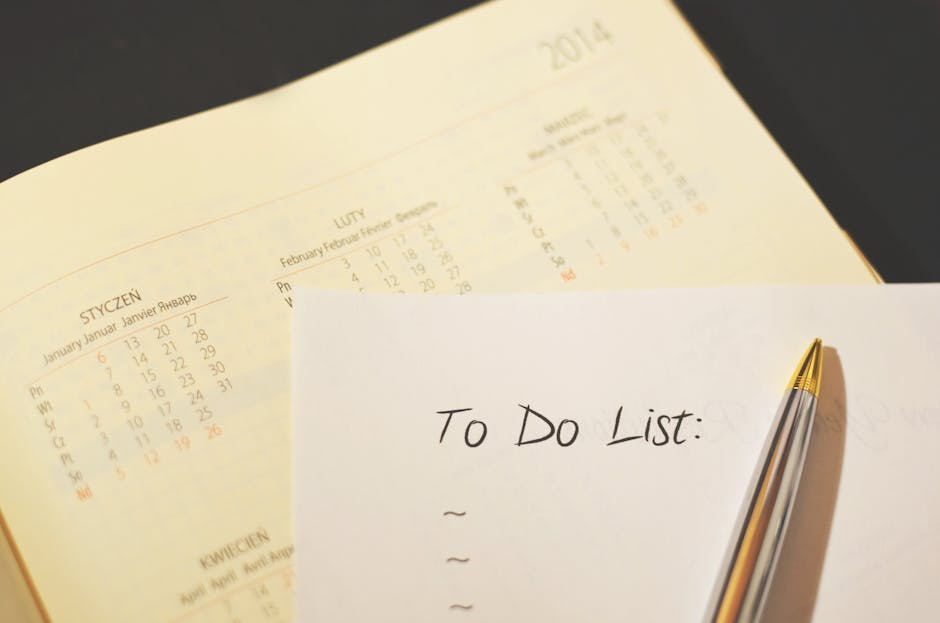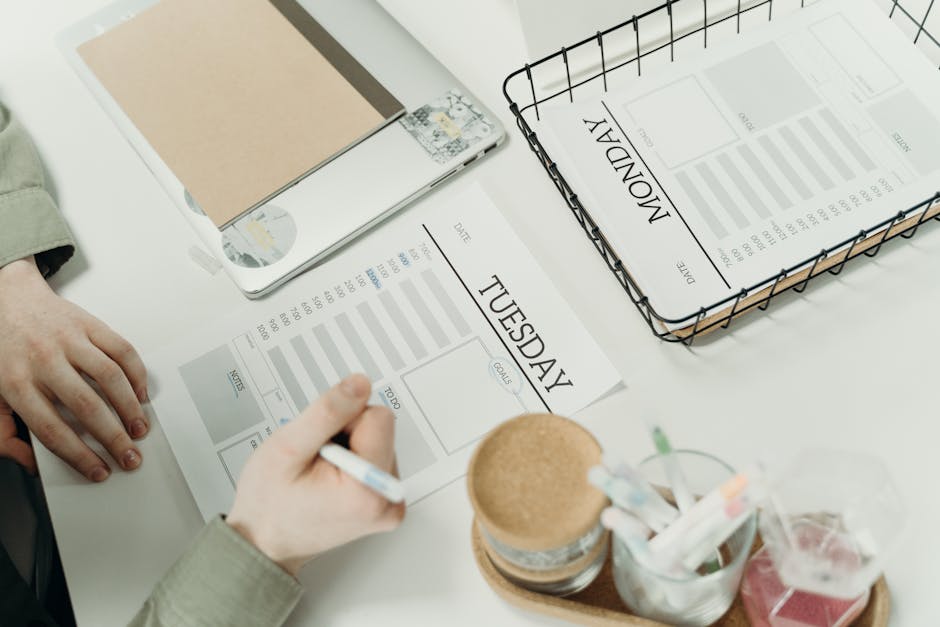
It's a Tuesday morning at the kitchen table, and the laptop screen is filled with a jumble of browser tabs. As the clock ticks towards the next hour, a reminder popup interrupts the flow, stealing the next ten minutes. Between the kids' chatter in the background and the half-finished coffee cup beside the laptop, attention is split across too many fronts, making it nearly impossible to settle into a productive work session.
In this chaotic setup, the desk surface is littered with sticky notes and a visible task list that hasn’t been checked in hours. The lack of organization leads to frequent task switching, where one moment is spent on admin tasks that could be better placed later in the day. This friction point—where the workspace does not align with the task sequence—creates a cycle of distraction, ultimately derailing good intentions around focus without burnout. Recognizing these small yet impactful adjustments can pave the way for a more streamlined workflow.
Caught in the Clutter: A Work Session in Progress
On a typical weekday, the kitchen table serves as an impromptu office, cluttered with a laptop, scattered notebooks, and an array of sticky notes. Each note holds a reminder or a half-finished thought, competing for attention. The laptop screen is filled with multiple browser tabs, each representing a different task, from email to project management tools. This chaotic setup makes it difficult to dive into a focused work session, as the constant visual noise pulls the mind in different directions.
As the clock inches towards noon, the persona finds themselves toggling between tasks, glancing at the visible task list that hasn’t been updated in hours. A reminder popup flashes on the screen, demanding immediate attention and stealing precious minutes that could have been spent on meaningful work. The noise from the kids playing in the next room adds to the distraction, making it nearly impossible to concentrate. With the desk surface not aligned to support the current task sequence, frustration mounts. The admin tasks, which could be moved to later in the day, are being tackled now, further complicating the workflow.
To regain some control, a practical check is needed: the persona could start by closing unnecessary browser tabs and prioritizing tasks on the visible list. This small action—streamlining the digital workspace—could create a clearer path for focus. However, the tradeoff remains: the clutter of the physical space and the interruptions from daily life still loom large, making it a challenge to maintain sustained attention without succumbing to burnout.
The Moment Focus Slips: A Notification's Impact
As the work session progresses, the kitchen table is littered with notebooks, a laptop, and a half-finished cup of coffee. The persona is deeply engaged in drafting a project proposal, fingers flying across the keyboard. Suddenly, a notification pops up on the screen—a reminder for an upcoming meeting. This small interruption, seemingly harmless, pulls attention away from the task at hand.
What follows is a cascade of distraction. The persona glances at the notification, and before they know it, ten minutes have slipped away. During that time, the focus shifts from the proposal to the calendar, leading to a scramble to remember what was just being worked on. The cluttered desk setup, with papers stacked haphazardly and a browser tab row filled with unrelated links, only exacerbates the challenge of regaining concentration.
To counteract this disruption, a practical adjustment is necessary. The persona could benefit from a quick check of their task list, prioritizing the proposal and closing any unrelated tabs. By moving admin tasks to later in the day, they can streamline their focus. However, the lingering chaos of the physical workspace and the ever-present interruptions leave a lingering question: how can one maintain productivity without falling into the trap of burnout?
Why Task Switching Derails Productivity
The cluttered workspace at the kitchen table creates a perfect storm for task switching, which often leads to lost focus. With a jumble of papers, a laptop screen filled with multiple browser tabs, and a phone buzzing with notifications, the environment becomes overwhelming. Each time a reminder popup appears, it steals not just attention but also precious minutes that could be spent on a focused work session.
- Multiple tools and tabs lead to cognitive overload; for instance, toggling between a spreadsheet and a proposal document can create confusion, making it hard to remember what was last discussed.
- Frequent interruptions, like a family member asking a question or a delivery notification, create a fragmented workflow that disrupts the thought process, resulting in a scramble to regain focus.
- The desk surface does not match the task sequence; with admin tasks and project notes piled together, it complicates transitions and makes it difficult to prioritize effectively.
To mitigate these issues, a practical step is to establish a visible task list that prioritizes immediate work over admin duties. By moving those tasks to later in the day, the persona can create a clearer path for focus blocks. However, the clutter and constant interruptions remain a hidden tradeoff that continues to challenge daily productivity.
Rearranging the Sequence: A Practical Adjustment
On a typical weekday, sitting at the kitchen table, the clutter of open browser tabs and scattered notes can quickly become overwhelming. When the focus shifts between drafting a proposal and responding to emails, the mind struggles to keep pace, especially with a reminder popup stealing the next ten minutes. This constant task-switching not only fragments attention but also leads to a sense of burnout, as the workspace does not support the sequence of tasks being tackled.
To combat this, consider moving administrative tasks to later in the day, ideally during that post-lunch slump when energy dips. This adjustment allows for a more focused morning, where creative work can thrive without the distraction of less engaging duties. Additionally, consolidating similar tasks into specific blocks can further streamline workflow. For instance, if a series of emails need responses, batch them together in a single time block rather than interspersing them throughout the day. A visible task list can help in this regard, as it provides a clear order of operations, ensuring that the most demanding tasks are prioritized first.
By making these small adjustments to the sequence of tasks and the timing of admin work, the kitchen table can transform from a chaotic workspace into a more efficient environment. However, the underlying clutter and frequent interruptions still pose a challenge, reminding us that even practical adjustments require ongoing vigilance and adaptation.
A Quick Check That Prevents More Drift
If this pattern keeps repeating, Managing Energy Not Time extends the idea without leaving the niche.
Before diving into the next task during a crowded work block, take a moment to check your visible task list. This simple action can help you regain focus and avoid the common pitfall of task-switching, especially when your attention is split between browser tabs and reminders. If your list is cluttered or out of order, it can lead to confusion and wasted time, as you may find yourself opening a tab only to realize you’ve forgotten the task's priority.
Position your task list where it’s easily visible on your kitchen table setup, perhaps next to your laptop. This way, it serves as a constant reminder of what needs to be tackled next. If you notice a reminder popup stealing your attention, pause and look at your list to determine if that task truly needs immediate action or if it can wait. By making a habit of this quick check, you can prevent the drift that often occurs when the desk surface does not align with the task sequence, allowing for a smoother transition back into focused work.
What Gets Easier in the Next Time Block
This same friction shows up again in Focus Without Burnout, especially when the day tightens unexpectedly.
When you prioritize your tasks and adjust your workspace, the next work session can feel less chaotic. For instance, if you move your admin tasks to later in the day, you can focus on high-priority projects first. This simple shift reduces the temptation to switch tasks mid-session, especially when distractions arise from your browser tab row or a sudden reminder popup.
Position your task list prominently on your kitchen table, perhaps leaning against your laptop. This visibility helps you quickly assess what needs immediate attention. If a reminder interrupts your flow, glance at your list before reacting. Ask yourself if that task can wait or if it truly warrants your focus right now. This quick evaluation can save you ten minutes that might otherwise slip away to a less urgent task.
As you settle into your next block, notice how the clutter on your desk no longer dictates your workflow. Instead of feeling overwhelmed by a jumble of tasks, you can approach each item with clarity. By keeping your workspace organized and your task list prioritized, you create a smoother transition between tasks, minimizing the friction that often leads to burnout.
As you navigate the clutter of your workspace, take a moment to evaluate your task list's placement. If it's hidden beneath a stack of papers or pushed to the side, move it front and center on your kitchen table. This simple adjustment allows you to keep your priorities visible, reducing the likelihood of getting sidetracked by less urgent tasks that pop up unexpectedly.
During your next work session, check in with your browser tab row. If you notice a reminder popup stealing your attention, pause and refer back to your task list. Ask yourself whether the task it suggests can wait until later. This quick assessment can help you maintain your focus and avoid the burnout that comes from constant task-switching. By keeping your workspace organized and your priorities clear, you can create a more productive environment that supports sustained attention without the risk of feeling overwhelmed.