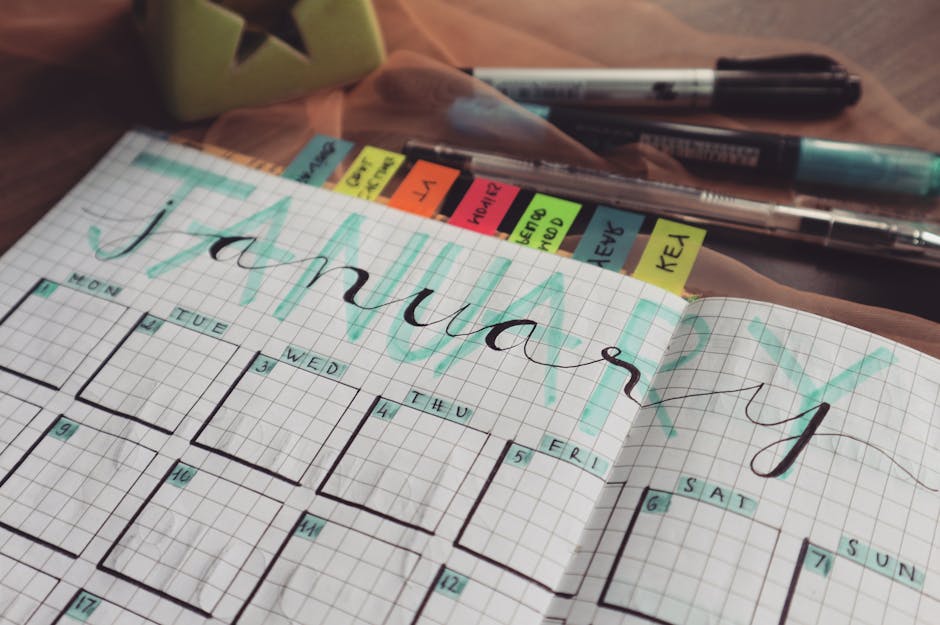
As the clock edges toward noon, the kitchen table is cluttered with half-finished admin tasks and a calendar block that feels more like a to-do list than a guide for focused work. The laptop screen shows a jumble of tabs, each vying for attention, while a reminder popup steals the next ten minutes. With the desktop monitor's edge barely visible beneath the chaos, it’s easy to lose sight of what truly needs to be accomplished. The afternoon dip in energy looms, and the thought of switching gears feels overwhelming.
During this short planning reset, the friction of task switching becomes apparent. Small admin tasks crowd out the real work, leaving little room for a focus block. As notifications ping from the corner of the screen, they disrupt the workflow, pulling attention away from the tasks that matter most. Muting notifications could be a simple yet effective first step to reclaiming focus, but it often gets overlooked in the rush to dive into the next task. Recognizing this missed check can make all the difference in maintaining productivity without succumbing to burnout.
The Overlooked Planning Moment
At the kitchen table, the clutter of papers and a half-drunk cup of coffee signal another ordinary weekday. As the clock ticks closer to the afternoon, the pressure mounts to quickly plan out the next work session. Yet, the task list sprawls across the screen, mismatched with the limited space available on the table. Notifications ping relentlessly, each one a reminder of small admin tasks that threaten to derail focus. This is the moment where rushed decisions often lead to burnout.
During this short planning reset, it’s crucial to recognize how easily a reminder popup can steal ten minutes of valuable time. The calendar block for focused work sits neglected, overshadowed by the immediate need to respond to those notifications. Instead of diving into the next task, take a moment to mute those notifications. This simple action can create a clearer mental space, allowing for a more effective focus block. By prioritizing the tasks that truly matter and aligning them with the available workspace, you can avoid the trap of task switching that often leads to fatigue.
As you sit down with a clearer intention, check the calendar block for the next hour. If the tasks there don’t match the energy you have left, adjust the list. Perhaps it’s time to swap a demanding project for a simpler one that fits better with the afternoon dip. This small shift can make a significant difference, ensuring that productivity remains sustainable without the looming threat of burnout.
The First Decision That Crowds Your Day
Amidst the clutter of papers and devices on the kitchen table, the temptation to check email notifications looms large. The desktop monitor, with its bright reminder popup, interrupts the flow of thought, demanding attention at the worst moment. Just as you’re about to dive into a focused work session, that little alert steals away the next ten minutes, pulling you into a web of small admin tasks that crowd out the real work.
In this ordinary weekday moment, the choice to respond feels pressing, almost necessary. You glance at the calendar block for the next hour but hesitate, knowing it’s filled with more substantial tasks. Instead, you find yourself clicking on the notification, thinking it’ll just take a moment. That quick check leads to a cascade of distractions, where each email prompts another thought, and soon, the focus block you had planned slips away. Before you know it, the energy you had for meaningful work is depleted, leaving only a sense of overwhelm. Mute those notifications first, and reclaim your time, ensuring that the workspace aligns with your intended tasks.
The Hidden Cost of Task Switching
This same friction shows up again in Managing Energy Not Time, especially when the day tightens unexpectedly.
Every time a notification pops up on your desktop monitor, it’s like a tiny invitation to step away from your focus block. You might think checking that alert will only take a moment, but in reality, it often leads to a ten-minute detour filled with small admin tasks. Each email or message demands attention, and before you know it, your focus on the calendar block ahead is lost in a sea of distractions. This momentary lapse not only disrupts your workflow but also leaves you feeling overwhelmed, as the list of minor tasks grows longer and more daunting.
As you sit at your kitchen table, the tension between your intended work session and the pull of these interruptions becomes palpable. You glance at your task list, now cluttered with reminders to reply to emails and schedule meetings, instead of the meaningful projects that were supposed to take priority. The immediate tradeoff is clear: by succumbing to the urge to multitask, you sacrifice not just your focus but also your energy. The cost of this choice manifests later, as you struggle to regain the momentum needed for deeper work, leaving you drained and unfocused.
To counter this, make it a habit to mute notifications before starting any work session. This simple adjustment creates a clear boundary, allowing your workspace to align with your goals. By doing this, you can reclaim those lost ten minutes and redirect your attention back to the tasks that truly matter, ensuring that your energy is spent on productive work rather than a growing list of distractions.
A Better Order for Your Planning Reset
A slightly different version of this problem appears in Focus Without Burnout, where the sequence changes but the hidden drag feels familiar.
Before diving into your next work session, take a moment at your kitchen table to set the stage for focused productivity. Mute all notifications on your desktop monitor, which can easily become a distraction during your planning reset. This small action helps eliminate the temptation to check reminders or emails that pop up, allowing you to concentrate on what truly matters.
- Prioritize tasks on your calendar block by identifying the top three items that require your attention.
- Set a dedicated focus block for uninterrupted work sessions, ideally for 25-30 minutes, to build momentum.
- Consider batching small admin tasks into a single time slot later in the day, rather than letting them crowd your current workflow.
By implementing these steps during your planning reset, you create a structured approach that holds up better on a crowded day. Aim to finalize your task list and set your focus block within the first five minutes of your session. This way, you can transition smoothly into your work without the clutter of distractions lingering in your mind.
The Outcome of Repeated Better Choices
At the edge of your desktop monitor, a muted notification window sits quietly, a testament to your decision to minimize distractions. By choosing to silence those alerts, you create a calmer work environment, one where interruptions don’t steal precious minutes from your focus block. This small change allows for a seamless transition into your work session, where you can dive into your tasks without the nagging pull of reminders and emails.
During an ordinary weekday moment, you might find yourself glancing at your calendar block, which now clearly lists your top three priorities. This focused approach shifts your attention away from small admin tasks that previously crowded your workflow. Instead of getting sidetracked by a reminder popup that could easily consume the next ten minutes, you’re now able to complete real tasks that contribute to your daily productivity.
As you settle into your focus block, you notice how the cumulative effect of these choices leads to increased productivity. You finish your work session feeling accomplished, having tackled the core tasks rather than the trivial ones. The next time you sit down, you’ll find it easier to replicate this success. The energy-aware planning you’ve implemented not only enhances your focus but also sets a clear path for future work sessions. With fewer distractions and a structured approach, the tradeoff becomes evident: you’re not just busy; you’re effectively moving forward with your work, making each session count.
As you prepare for the afternoon dip, take a moment to mute notifications on your desktop monitor. This simple action can prevent that familiar distraction—a reminder popup that steals your attention and derails your focus. Instead of letting those small admin tasks creep into your workflow, you can prioritize your calendar block for meaningful work. By aligning your task surface with your work surface, you create a more conducive environment for sustained focus.
Next time you sit down, check that your notification window is muted before diving into your focus block. This small adjustment can make a significant difference in your daily productivity. With fewer interruptions, you’ll find it easier to maintain your momentum and tackle the core tasks that truly matter, rather than getting sidetracked by trivial notifications.
