It's an ordinary weekday afternoon, and your browser tab row is cluttered with open emails, reports, and a half-finished project document. You sit at your desk, fingers hovering over the keyboard, ready to dive into a focused work session. But before you can start, you instinctively check your calendar, scrolling through upcoming meetings and deadlines. This moment of hesitation feels familiar; the task seems simple until the friction of task switching kicks in, pulling your attention in multiple directions.
This cycle of checking and switching not only disrupts your workflow habits but also heightens the risk of burnout. Each time you shift your focus, the mental load increases, making it harder to settle into a productive rhythm. A quick adjustment, like muting those notifications before your focus block, could help streamline this process, allowing you to reclaim your attention and make the most of your deep work time.
The Task That Feels Simple Until It Isn’t
At your desk, the familiar hum of the office surrounds you as you prepare for a deep work session. The glow of your computer screen highlights a calendar filled with back-to-back meetings and looming deadlines. You take a moment to breathe, fingers poised over the keyboard, ready to tackle your top three tasks. However, the moment you check your calendar, a wave of pressure washes over you. The tight schedule feels like a weight on your shoulders, and the task that seemed straightforward now appears daunting.
As you glance at the cluttered browser tab row, the temptation to switch tasks pulls at your focus. You spot an unread email notification blinking insistently, and the half-finished project document remains unopened, creating a mental tug-of-war. Each time you check your calendar, the mental load increases, making it harder to settle into that productive rhythm you crave. To counter this, consider muting notifications before diving into your focus block. This small adjustment can help you resist the urge to switch tasks, allowing you to protect your deep work time and minimize distractions that lead to burnout.
A Quick Decision That Changes Everything
If this pattern keeps repeating, Managing Energy Not Time extends the idea without leaving the niche.
The moment you sit down for your focus block, the decision to tackle the most urgent email first can feel like a no-brainer. After all, it’s right there in your inbox, demanding attention. Each ping feels like a small nudge, pulling you deeper into a cycle of task switching that erodes your productivity.
- Open the email and immediately see three new messages waiting for a response.
- Notice how the unread notification for a team chat pulls your eyes away from the document.
- Feel the pressure mount as you realize the report is still untouched, while you’re knee-deep in replies.
By the time you glance back at your calendar, the initial urgency has morphed into a tangled web of distractions. This choice, made under pressure, sets a chaotic tone for your work session, making it harder to dive into the deep work you originally intended.
Weighing the Cost of Task Switching
This same friction shows up again in Focus Without Burnout, especially when the day tightens unexpectedly.
Sitting at your desk, the screen glows with a list of unread emails. The moment you open your inbox, the urgency of replies pulls you in, making the task of responding seem manageable. Yet, as you type out a quick response, the clock ticks away, and you quickly realize that this simple action is consuming more time than anticipated.
As you glance back at your calendar, the initial plan to dive into a focused work session feels increasingly distant. The fragmented focus caused by task switching creates a cascading effect; each email reply adds to a growing backlog of tasks. You find yourself toggling between tabs—your document still waiting, the email thread expanding, and the notifications piling up.
To mitigate this, consider implementing a small adjustment: mute your notifications before diving into your focus block. This simple act can help you regain control over your attention management. When you sit down for your next work session, take a moment to close the email tab and focus solely on rewriting the top three tasks for the day. By doing so, you create a clearer path forward, reducing the friction that arises from task switching and allowing for a more productive workflow.
Revising the Planning Approach for Better Focus
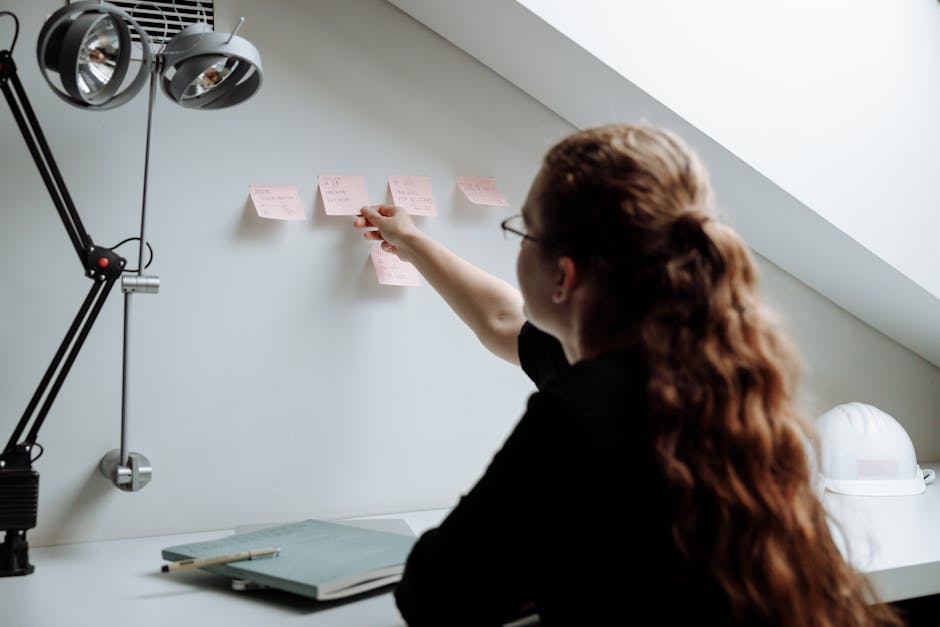
Before diving into a focused work session, the typical routine might involve checking the calendar and glancing at the email tab, which often leads to a cascade of distractions. Instead of this reactive approach, consider rewriting the top three tasks on a sticky note placed directly on your desk. This tangible reminder keeps your priorities visible and helps to anchor your focus on what truly matters.
By shifting to this method, you create a clearer path for your focus block. This small act minimizes the chances of being pulled into the vortex of task switching. For instance, if an unexpected meeting pops up, you can quickly refer back to your sticky note to stay on track without losing sight of your main objectives. This approach holds up better on a crowded day because it reduces the friction caused by constant interruptions, allowing for deeper engagement with the work at hand.
The Outcome of Repeated Better Choices
After several weeks of adopting the sticky note method for desk planning, the office worker notices a significant shift in their productivity during focus blocks. The sticky note, with its clear top three tasks, sits prominently on the right corner of the desk, a constant visual guide that keeps distractions at bay.
With fewer distractions, the deep work block transforms into a period of genuine accomplishment. Each time they complete a task, they get to physically cross it off on the sticky note, reinforcing a sense of progress. This small but effective change in workflow habits creates a ripple effect, allowing for deeper engagement with each subsequent task. As the day progresses, the worker finds themselves less inclined to check the calendar repeatedly, realizing that the sticky note's presence helps them stay aligned with their priorities.
In contrast to previous weeks, where task switching felt inevitable, the new approach fosters a more cohesive workflow. The momentary pause to check the sticky note before opening more tabs becomes a ritual that solidifies focus. This simple act not only enhances attention management but also preserves energy, preventing burnout during those long work sessions.
During that brief planning reset, the act of checking the calendar can easily lead to a cascade of distractions. Instead, focus on rewriting the top three tasks on a sticky note placed directly next to your screen. This small adjustment serves as a tangible reminder of your priorities and helps to minimize the urge to jump between tabs. The sticky note becomes a focal point, drawing your attention back to what truly matters before diving into the work session.
By committing to this simple practice, you create a buffer against the temptation to switch tasks unnecessarily. This method not only streamlines your workflow but also enhances your ability to maintain concentration without succumbing to burnout. Next time you sit down, take a moment to write out those tasks first, ensuring your focus is anchored where it needs to be.
