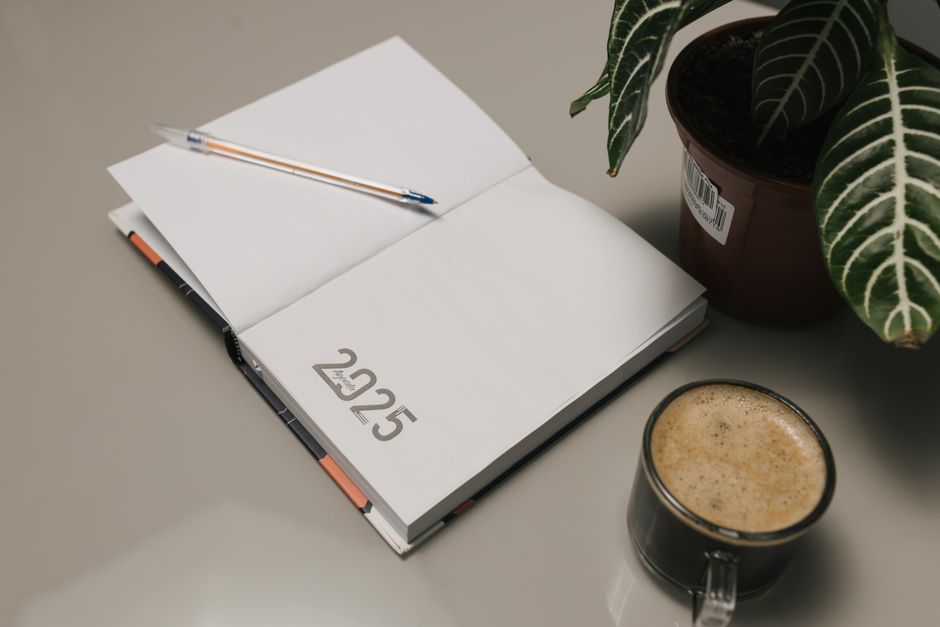
At the kitchen table, the calendar sidebar is open, and the clock ticks toward the start of a focused work session. Every time the calendar gets checked, the intention to dive into the task feels overshadowed by the distractions creeping in from the side. Notifications ping from the phone, and the urge to switch tasks becomes almost automatic, pulling attention away from the original goal.
As the plan for the next hour takes shape, the clutter of tabs and reminders creates friction. The next useful action is buried under a pile of setup clutter, making it easy to lose sight of what truly needs to be done. Muting notifications could clear some of that noise, yet the instinct to check the latest email or calendar alert often prevails. This constant back-and-forth between focus and distraction highlights a common pitfall in daily productivity routines, where the desire to stay organized can inadvertently lead to burnout.
The Common Routine That Fails Us
At the kitchen table, the calendar sidebar is open, revealing a tightly packed schedule. Notifications from the phone buzz softly, a reminder of the emails waiting for attention. Each ping feels like a gentle nudge to switch gears, making it all too easy to lose sight of the task that was meant to be prioritized.
In this moment, the clutter of tabs and reminders creates a barrier to getting started. The next useful action is obscured by the need to confirm what’s next on the calendar, which seems reasonable but ultimately derails focus. Muting notifications could silence the distractions, yet the habit of checking for updates remains strong. This juxtaposition between the desire to stay organized and the reality of task switching illustrates how common routines can inadvertently lead to burnout, complicating what should be a straightforward work session.
Identifying the Cracks in the Default Method
At the kitchen table, the calendar sidebar looms large, filled with color-coded blocks that denote meetings, deadlines, and reminders. Yet, as you prepare for a focus block, the screen's clutter becomes overwhelming. Each alert draws your attention, pulling you away from the task at hand and into a cycle of task switching that feels productive but ultimately drains your energy.
As you glance at the notifications, the impulse to check them is strong. This habit of prioritizing incoming messages over planned work sessions creates a weak point in your workflow. The clutter on your desk—papers, pens, and an open laptop—adds to the mental load, making it harder to concentrate on the task you initially set out to complete.
To counteract this, consider muting notifications before diving into your work session. By silencing the distractions, you can focus on desk planning without the constant pull of incoming alerts. This small adjustment can help clear the mental clutter and enable a smoother transition into your focus block.
However, even with these adjustments, the habit of checking your calendar remains a hurdle. Each glance at the packed schedule can trigger anxiety about what’s next, further complicating your ability to dive into focused work. Recognizing these cracks in your default method is crucial; they highlight how easily productivity can falter, leading to burnout instead of the seamless workflow you aim for.
A More Manageable Approach to Focus
During a typical weekday, as you sit at your kitchen table surrounded by the remnants of breakfast, the clutter can feel overwhelming. The calendar sidebar on your laptop is open, showing a tightly packed schedule, and the temptation to check it before starting your work session is strong. However, this habit often leads to distractions that derail your focus. Instead, consider implementing a few practical strategies to create a more sustainable workflow.
- Mute notifications: Before you even think about opening your work document, silence your email and messaging apps. This simple action can prevent the constant pinging that pulls your attention away from the task at hand.
- Set specific calendar blocks: Allocate distinct time slots for deep work in your calendar. Instead of a vague "work" entry, mark a specific hour for your report. This not only clarifies your intention but also creates a mental boundary around that time.
- Limit task switching: Try to stick to one task during your focus block. If you find yourself tempted to check your email while drafting the report, resist the urge. Instead, keep a notepad nearby to jot down any thoughts about other tasks, allowing you to return to them later without breaking your concentration.
By making these adjustments, you can create a more focused environment that minimizes interruptions. The key difference here is in the order of operations: instead of checking your calendar first, prioritize muting notifications and defining your work session before diving into the task. This shift can help you maintain your focus without the creeping anxiety that often leads to burnout.
Understanding the Tradeoff Between Convenience and Focus
If this pattern keeps repeating, Managing Energy Not Time extends the idea without leaving the niche.
As you sit at your kitchen table, the calendar sidebar on your laptop catches your eye. It’s easy to get lured into checking your schedule before diving into a focused work session. However, this seemingly harmless action often leads to a cascade of distractions. One quick glance at your calendar can easily morph into scrolling through emails or checking notifications, pulling you away from the task at hand.
Shifting to a more structured approach requires an upfront investment in time management. This small adjustment can create a clearer boundary around your focus block. You might feel an initial discomfort as you resist the urge to check your emails or messages. Yet, this discomfort is a small price to pay for deeper focus. By committing to this change, you’re not just avoiding distractions; you’re actively choosing to prioritize your work over the convenience of immediate access to information.
What you give up in this tradeoff is the ease of multitasking. The temptation to juggle tasks is strong, especially when your work environment is filled with potential interruptions. However, the payoff is significant: a more cohesive workflow that allows for uninterrupted attention on your current task. Embracing this structured approach may feel challenging at first, but the clarity and productivity it fosters are well worth the effort. In the end, the choice becomes clear: convenience may be easier, but focus without burnout is a more sustainable path.
When That Alternative Fits Better
This same friction shows up again in Focus Without Burnout, especially when the day tightens unexpectedly.
The calendar sidebar reveals a focus block scheduled for the next hour, yet the urge to check emails is strong. This moment illustrates a common friction: the temptation to multitask often leads to scattered attention, especially when the workspace is filled with reminders of what else needs to be done.
Instead of diving into the emails, take a moment to mute notifications on your phone and laptop. This simple action can create a boundary that protects your focus. With notifications silenced, the calendar can be checked one last time to confirm the upcoming work session. By consciously choosing to ignore other tasks, like expanding the email client, you set the stage for deeper engagement with your current work.
This shift in attention management allows for a more cohesive workflow, where the clutter of potential distractions is minimized. As you sit down to write, the earlier clutter feels less overwhelming, and the focus block transforms into a productive session, free from the burnout that often accompanies task switching.
As you prepare for your next focus block, consider how often you check your calendar only to find yourself sidetracked by tasks that pull your attention away. This moment can become a pitfall if you allow the clutter of reminders to distract you from your primary goal. Instead of letting the email client expand with new messages, take a moment to mute notifications on your devices. This small action creates a protective barrier around your focus, allowing you to engage more deeply with the task at hand.
In the chaos of a kitchen table workspace, the temptation to multitask can be overwhelming. By consciously choosing to check your calendar and then closing unnecessary tabs, you set the stage for a more productive work session. Next time you sit down, remember to mute those notifications first, ensuring your focus remains sharp and your workflow uninterrupted.