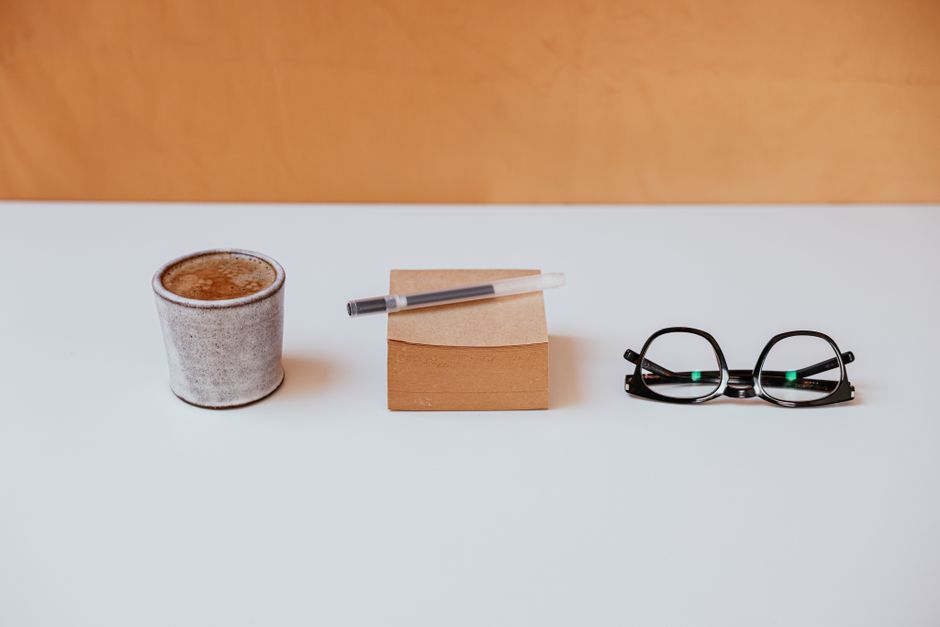
It’s a Tuesday morning, and the kitchen table is strewn with notebooks, a half-finished cup of coffee, and a laptop that’s just dinged with a reminder popup. The notification steals ten minutes as the screen flashes with a new task that wasn’t on the original list. The cluttered surface makes it hard to focus on the top three tasks for the day, which are buried beneath a jumble of papers and sticky notes. Every time the mind shifts back to the work session, the desk feels like a barrier rather than a launchpad for productivity.
In this crowded workspace, the act of task-switching becomes a slippery slope. Each time the laptop pings with a new email or a calendar alert, it pulls attention away from what was already in motion. The intention to maintain a focus block gets derailed as the next useful action is lost in the setup clutter. Without a clear sequence or a visible check on what tasks to prioritize, the workflow habits that once supported steady progress slip away, leaving behind a sense of overwhelm that can lead to burnout.
The First Choice to Go Under Pressure
The kitchen table is a battlefield of scattered papers, a laptop, and an array of sticky notes, each vying for attention. As the clock ticks toward a looming deadline, the pressure mounts. A notification pops up on the desktop monitor edge, a reminder of a meeting that wasn’t on the original agenda. In that moment, the instinct is to switch gears, but the cluttered workspace makes it hard to see the top three tasks that were prioritized earlier. The intention to focus on a single work session slips away as the mind races to accommodate yet another obligation.
With every ping of an incoming email, the decision to stick with the original task becomes increasingly fraught. The desk planning that started the day feels like a distant memory, buried beneath a chaotic mix of to-do lists and half-finished notes. Each time attention shifts, the next useful action—like rewriting the top three tasks—gets buried deeper under the setup clutter. This friction point, where the desire to stay focused meets the reality of task-switching, creates a cycle of overwhelm. Without a clear visual cue or a calendar block to anchor the workflow, productivity falters, and burnout looms just around the corner.
What Happens When Task Switching Takes Over?
This same friction shows up again in Managing Energy Not Time, especially when the day tightens unexpectedly.
A reminder popup flashes across the screen, interrupting a focused work session at the kitchen table. Instantly, ten minutes slip away as the mind pivots to address the new task. The cluttered desk surface, littered with sticky notes and half-finished coffee cups, makes it difficult to locate the next task on the to-do list. Instead of returning to the planned focus block, the temptation to tackle the urgent email feels more pressing. This choice, made under pressure, often leads to a cascade of distractions.
As the work session resumes, the original intention to prioritize deep focus fades. Each time attention shifts, the clutter grows, burying the top three tasks that were carefully crafted during the morning desk planning. The screen shows a jumble of tabs open from previous tasks, and the calendar block for focused work is now just a distant reminder. This cycle of task switching creates a friction point; without a clear visual cue or a dedicated space for the next action, productivity wanes, and the risk of burnout increases. The desk, intended as a productive workspace, instead becomes a chaotic reminder of what was left undone.
A Simple Shift in Decision-Making
A slightly different version of this problem appears in Focus Without Burnout, where the sequence changes but the hidden drag feels familiar.
During a busy workday at the kitchen table, the clutter of papers and half-drunk coffee mugs can easily distract from the task at hand. You glance at the monitor’s edge, where a calendar notification pops up, reminding you of a scheduled focus block. Instead of diving into that dedicated session, the urge to check off urgent emails takes over. This choice, while seemingly efficient, often leads to a cascade of interruptions, pulling attention away from the planned work session.
Revising the top three tasks on your to-do list could provide a clearer path forward. Rather than jumping between tasks, take the time to write down the most critical items on a sticky note and place it directly in your line of sight. This small adjustment creates a visual cue that helps maintain focus. However, the immediate tradeoff is the time spent on this revision, which feels like a delay. Yet, as the day progresses, the cost of not having a clear focus becomes apparent. Without that revision, the clutter on your desk grows, and the original intent of the focus block fades into the background, making it harder to return to deep work.
Before and After: The Impact of a Focus Block
During a busy weekday, the clutter on your kitchen table can quickly become overwhelming, especially when the desktop monitor edge is lined with sticky notes, half-finished tasks, and a coffee cup that’s now more cold than warm. When you decide to implement a focus block, the first step is to physically clear the desk space. Take a moment to gather up those sticky notes and set aside anything that isn’t essential for your current work session. This simple act not only creates a more inviting workspace but also serves as a visual reminder of what you need to accomplish.
The real difference becomes evident when you sit down to execute your tasks. With a clear desk and a focused mindset, you can move through your task list in a more streamlined manner. Instead of jumping between emails and urgent requests, you tackle the top three tasks directly, checking them off one by one. This sequence reduces the mental clutter that often leads to burnout, as each completed task brings a sense of accomplishment. In contrast, if you skip the focus block and dive straight into the chaos of task switching, you’ll find that ten minutes spent on a reminder popup can derail your entire work session. By prioritizing a focus block, you not only improve clarity in task execution but also create a more manageable environment that holds up better against the distractions of a crowded day. What Changes When Focus Is Prioritized? In the midst of a crowded workday, the clutter on your kitchen table can quickly become a barrier to effective task completion. When the edge of your desktop monitor is lined with sticky notes, scattered papers, and half-finished coffee cups, it’s easy to lose sight of your top priorities. The moment you decide to prioritize a focus block on your calendar, everything shifts. Instead of diving into emails or responding to a pinging notification, you carve out a dedicated 30-minute work session to tackle your three most pressing tasks.
During this focused time, you can feel the difference. Each completed task not only clears your desk but also reduces the mental clutter that often leads to burnout. If you’re used to switching tasks every few minutes, you might find that those ten minutes wasted on a reminder popup can derail your entire session. Instead, by committing to a focus block, you streamline your workflow, allowing you to check off tasks in a sequence that feels manageable and rewarding. The sense of accomplishment builds as you see your progress on the screen, reinforcing your decision to avoid distractions.
As you finish your focus block, take a moment to check your workspace. Is there anything left that could distract you in the next session? Adjust your setup by placing the next task front and center, perhaps even moving it to the top of your to-do list. This small action can create a smoother transition into your next work session, ensuring that you maintain your productivity without slipping back into the chaos of task switching.
During a busy workday, the clutter on your kitchen table can easily lead to missed checks and distractions. If your desktop monitor edge is littered with sticky notes and half-finished tasks, it’s no wonder that focus slips first. Each time you switch tasks, you not only lose time but also the mental momentum you’ve built. This can turn a simple reminder popup into a ten-minute derailment, pulling you away from what matters most.
To counteract this, take a moment to rewrite your top three tasks and place them visibly on your desk. This small adjustment helps prioritize your focus block, making it easier to dive back into your workflow without the clutter of previous tasks weighing you down. By keeping your next action front and center, you create a smoother transition into your next work session, ensuring that you stay productive without falling into the trap of constant task switching.
