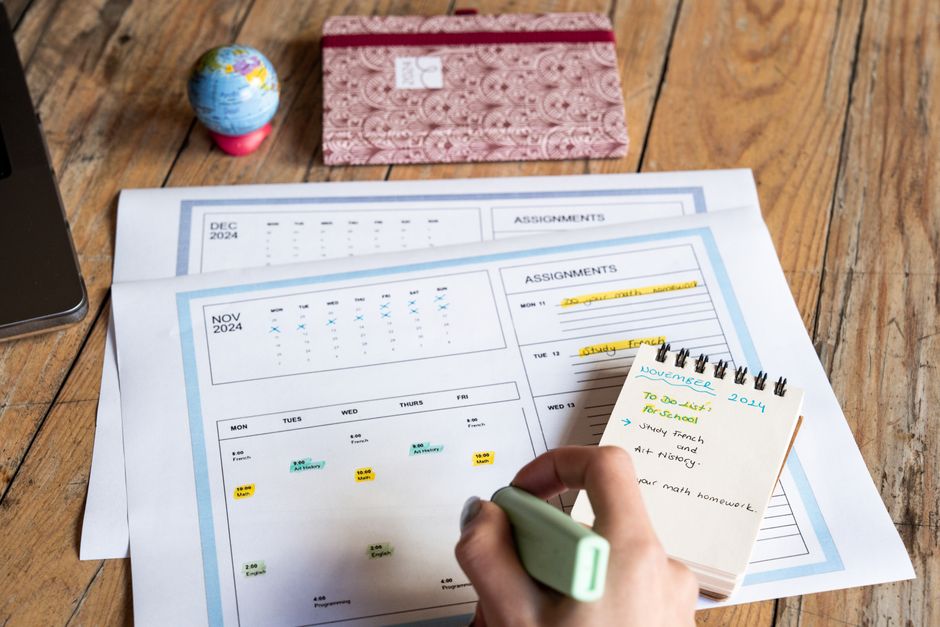
At the kitchen table, the desktop monitor edge is cluttered with sticky notes and a half-finished cup of coffee, remnants of the morning's chaotic start. The calendar is open on the screen, filled with back-to-back meetings, each block a reminder of the day’s demands. Each time the calendar is checked, a fleeting moment of focus slips away, replaced by the pull of task switching and the pressure to respond.
During these busy periods, the simple act of initiating a focused work session becomes a challenge. This friction—checking the calendar before opening the working document—creates a cycle of distraction that undermines attention management. Instead of blocking time for deep work, the day becomes a series of fragmented tasks, where the real focus habit gets lost in the shuffle of notifications and interruptions.
The Default Method: A Busy Day at the Kitchen Table
The kitchen table is a makeshift office, cluttered with a laptop, scattered papers, and a half-eaten bagel. The laptop screen glows with a calendar filled to the brim with meetings, each block a reminder of the day’s relentless pace. This moment seems reasonable; after all, it’s essential to know what’s next. However, this quick glance often leads to a cascade of distractions. Notifications pop up, drawing attention away from the task at hand.
Each ping represents a potential interruption, and the focus block crumbles under the weight of task switching. The initial decision to check the calendar, while seemingly harmless, disrupts the workflow habits that could have supported a productive work session.
To regain focus, consider muting the notification window before starting any task. This small adjustment can create a clearer boundary between the chaos of incoming messages and the need for concentrated work. By blocking out distractions, the kitchen table can transform from a chaotic hub into a space for focused productivity, even amidst the noise of a busy day.
Where the Default Fails: The Cost of Task Switching
During a busy weekday, the kitchen table becomes a battleground for focus. Each time the calendar is checked, it feels like a necessary step. However, this seemingly innocent action often leads to a spiral of distractions, pulling attention away from the task that was just about to begin.
Task switching introduces a hidden mental load. Each notification interrupts the flow, making it harder to regain the original focus.
To counteract this, establish a clear desk planning routine. Before diving into a work session, mute the notification window and set a timer for a focused block of time. This small adjustment creates a buffer against interruptions, allowing for a more productive environment. With the calendar checked off the list, the kitchen table can transform into a dedicated space for concentration. However, the weak point under pressure remains: the temptation to check for updates can derail even the best intentions.
A Workable Alternative: Focus Block Strategy
When the calendar is packed with meetings, the temptation to check for updates can derail even the best intentions. Instead of allowing distractions to creep in, set a timer for a focused work session. This simple act establishes a boundary, signaling to your brain that it’s time to concentrate. Before starting, mute notifications and close any unnecessary tabs on your desktop monitor. This creates a clean visual space, reducing the chances of wandering attention.
- Plan a specific time for email checks after your focus block.
- Use a timer to enforce the work session, aiming for 25 minutes of concentrated effort.
- Keep a notepad nearby to jot down any urgent thoughts that pop up, ensuring they don’t pull you away from your task.
By implementing this approach, you can avoid the cycle of checking your calendar repeatedly. Instead, focus on the task at hand, knowing that a dedicated time for email awaits after your session. This shift from constant checking to structured focus not only enhances your workflow but also protects your attention from burnout during busy days.
Honest Tradeoff: Flexibility vs. Structure
On busy meeting days, the temptation to keep your calendar open while working can disrupt your focus. This rigid approach to focus blocks can feel confining, leaving little room for the unexpected interruptions that often arise when working from a kitchen table.
However, allowing for flexibility can lead to distractions that pull you away from your primary tasks. When you decide to check your calendar before opening your working document, the time spent toggling between tasks adds up, creating a hidden cost. Instead of letting distractions dictate your workflow, consider blocking one dedicated focus session where you mute notifications and close unnecessary tabs. This small adjustment allows you to adapt your schedule while still protecting your attention. Finding that balance between structure and flexibility is crucial for maintaining sustainable productivity throughout your day, especially when interruptions are inevitable.
Checkpoint: One Simple Action to Stay on Track
If this pattern keeps repeating, Managing Energy Not Time extends the idea without leaving the niche.
During a crowded weekday, the temptation to check your calendar before diving into a work session can derail your focus. When you sit at your kitchen table, the clutter of notifications and open tabs looms large. Instead of letting your attention slip away, try using a physical timer to signal the end of your focus block. Set it for a solid 25 minutes, and place it right next to your laptop. This small action creates a clear boundary, allowing you to concentrate fully on the task at hand.
Keep a notepad handy to jot down any thoughts that pop up during your focus block, rather than reaching for your phone or email. This simple adjustment prevents the urge to check devices, which often leads to task switching and wasted time. At the end of your focus session, take a moment to briefly review your task list before starting the next block. This quick check helps you stay aligned with your priorities and ensures you’re not drifting back into distractions when you resume work.
When That Alternative Fits Better
This same friction shows up again in Focus Without Burnout, especially when the day tightens unexpectedly.
On days packed with meetings, the temptation to check your calendar before diving into work can be overwhelming. Sitting at your kitchen table, with the desktop monitor's edge barely visible behind a stack of papers, the allure of a quick glance at your schedule often leads to distraction.
To counter this, consider setting a specific time for your focus block before the chaos begins. For instance, if your meetings start at 10 AM, carve out a dedicated 30-minute slot from 9:30 to 10 AM. During this time, mute all notifications on your devices and place a sticky note on your monitor that reads "Focus First". This simple visual cue can help reinforce your intention to prioritize the task at hand, making it less likely for you to fall into the trap of task switching.
As you settle into this focus block, resist the urge to check your calendar again. If you find your mind wandering, jot down any pressing thoughts on a notepad rather than reaching for your phone. This way, you can maintain your workflow without the interruptions that often derail productivity during busy periods.
As you navigate through your busy days, remember that the first slip in your focus routine often occurs when you check your calendar before diving into your work session. This moment can easily lead to a cascade of distractions, pulling your attention away from the task at hand. Instead, establish a clear boundary by committing to a focus block where checking your schedule is off-limits. Place your work document front and center on your desktop monitor, ensuring it’s the first thing you see when you sit down.
Before you begin, take a moment to mute notifications across your devices. This small action can significantly reduce the temptation to engage with incoming alerts. By prioritizing your focus block, you create a more effective workflow that minimizes task switching, ultimately enhancing your daily productivity without the risk of burnout. Next time you sit at your kitchen table, try blocking out that time and see how it shifts your attention management for the better.