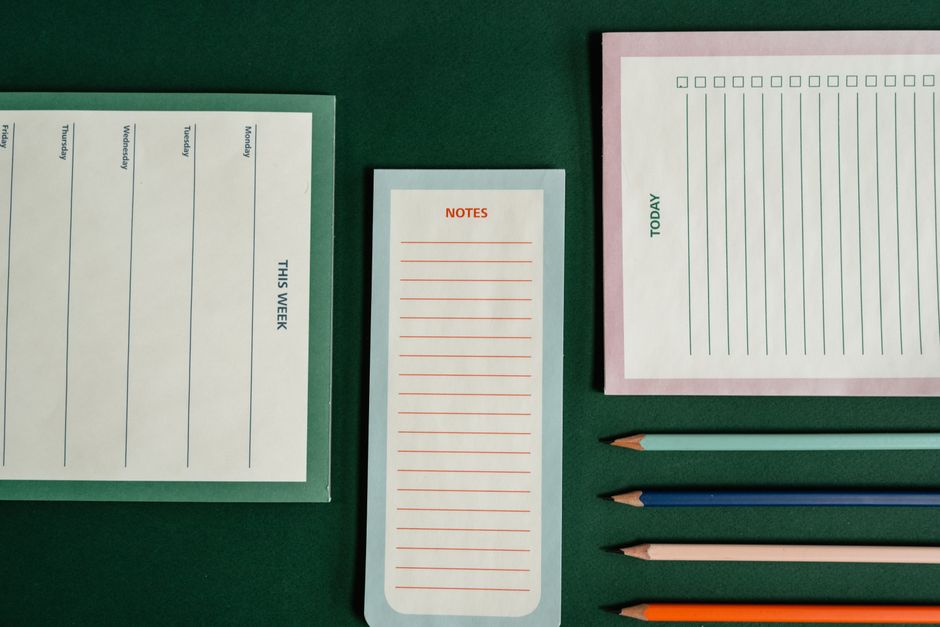
On a typical Wednesday afternoon, the glow of the computer screen illuminates a cluttered desk, where a task notebook lies open, filled with a jumbled list of admin tasks and project notes. As the clock inches closer to 2 PM, the to-do list feels heavier, with small tasks like responding to emails and organizing files threatening to crowd out the real work that requires deep focus. A reminder popup interrupts the workflow, stealing ten precious minutes, and the feeling of being overwhelmed starts to creep in, making it difficult to concentrate on the more significant projects.
Despite the best intentions for a productive work session, the mismatch between the task list and energy levels becomes apparent. The calendar block for focused work is at risk of being overshadowed by these smaller, less important tasks that seem urgent. This friction often leads to a cycle of task switching, where the mind flits between minor admin duties and substantial work, ultimately draining attention and energy. Recognizing this missed step in daily planning can pave the way for a more effective approach to managing workload without burnout, allowing for a clearer focus on what truly matters.
The First Step That Gets Skipped
A desk cluttered with sticky notes and a long to-do list often sets the stage for an unproductive day. In the late morning, as the clock ticks toward noon, the temptation to dive headfirst into the tasks at hand feels reasonable. The bright screen glows with notifications, and the mind races to tackle everything at once, from quick emails to urgent admin duties. However, this approach frequently leads to a chaotic workflow, where the most important projects get lost in the shuffle.
Without a clear desk planning strategy, it’s easy to overlook the need for a focused calendar block. The initial instinct is to jump into tasks without prioritizing, which seems efficient but often results in wasted time. For example, a quick glance at the task notebook reveals a reminder popup that steals the next ten minutes, further complicating the situation. As small tasks crowd out the real work, energy levels dip, and the afternoon slump becomes inevitable.
Before starting a work session, taking a moment to close unused tabs and mute notifications can create a more conducive environment for focus. This simple adjustment allows for a clearer view of what truly needs attention and helps maintain energy throughout the day. By recognizing that the initial step of prioritizing tasks is often skipped, office workers can shift toward a more effective method of managing their workload, ultimately preserving their focus without burnout.
Where the Default Method Falls Short
During a typical weekday, the desk is cluttered with open tabs, sticky notes, and a buzzing phone. The task notebook lies open, filled with small admin tasks like responding to emails and scheduling meetings. These tasks, while necessary, often overshadow the deeper work that requires sustained focus. The instinct is to tackle these quick wins first, but this approach leads to a scattered work session where the real priorities get lost in the noise.
A reminder popup appears, stealing the next ten minutes from a carefully planned focus block. This interruption not only disrupts concentration but also deepens the sense of overwhelm as the clock ticks down. The weak point under pressure becomes painfully clear: when small tasks crowd out significant work, energy levels plummet, and the afternoon slump feels inevitable.
To counteract this, a quick check can be made before diving into the day’s tasks. Close unused tabs and mute notifications to create a more manageable workspace. This adjustment not only clears the visual clutter but also sets a tone for the work session ahead. By prioritizing what truly needs attention, the office worker can reclaim focus and navigate through the day’s demands without succumbing to burnout.
A Better Order for the Same Five Minutes
During a typical weekday, the task notebook sits open, filled with a mix of urgent admin tasks and deep work projects. As the clock approaches 1 PM, the energy dip is palpable, and the temptation to tackle smaller tasks grows. However, this approach often leads to a scattered work session where the real priorities get lost. Instead of diving into the admin tasks, a better strategy involves allocating specific time slots for focused work using a calendar block. This simple shift in setup can transform the afternoon slump into a productive focus block.
- Close all unused tabs on your browser to eliminate visual distractions.
- Mute notifications on your devices, ensuring you won't be interrupted by reminder popups.
- Set a timer for 25 minutes, dedicating this time solely to the most important task on your list.
By taking these steps before starting a work session, the office worker can create a more manageable workspace. The act of closing unused tabs not only clears clutter but also signals a commitment to focus. This small change in order—prioritizing setup before diving into the task list—can make a significant difference in how the afternoon unfolds. When the task list is longer than the time available, this energy-aware planning can help maintain focus without burnout.
The Tradeoff of Time Blocking
This same friction shows up again in Managing Energy Not Time, especially when the day tightens unexpectedly.
Time blocking can feel like a rigid structure, especially when spontaneity is part of your workflow. For instance, if your task notebook is filled with small admin tasks that pop up unexpectedly, you might find it difficult to switch gears. When you’ve allocated a focus block for a deep work session, the sudden need to address an urgent email or a quick phone call can disrupt your concentration. The tradeoff here is clear: while time blocking enhances your ability to manage your workload, it can also limit your flexibility to respond to immediate needs.
However, the upfront planning required for time blocking can yield significant benefits. By setting aside specific calendar blocks for focused work, you create a clear roadmap for your day. This means that before diving into your tasks, you might take a moment to close unused tabs on your browser and mute notification windows, ensuring that distractions are minimized. The act of preparing your workspace becomes an essential part of your workflow. Although this method may sacrifice some spontaneity, the payoff is a more intentional approach to your tasks, allowing you to protect your deep-work block from the chaos of the afternoon dip. In the end, the structured environment fosters deeper focus, even if it means saying no to a few spontaneous tasks. What to Check Before the Phone Takes Over As the clock inches toward 2 PM on an ordinary weekday, the temptation to check your phone can become overwhelming. The clutter on your desk—sticky notes, a half-empty coffee cup, and a pile of paperwork—competes for your attention. To maintain focus during your deep-work block, it’s crucial to minimize distractions. Start by setting one muted notification window on your computer. This small action creates a barrier against the constant stream of alerts that can pull you away from your tasks.
Next, take a moment to clear your desk of non-essential items. A clean workspace not only improves your focus but also signals to your brain that it’s time to concentrate. Remove anything that isn’t directly related to your current project, like old receipts or unrelated documents. This simple adjustment can dramatically shift your attention back to your task list. If you notice a reminder popup stealing your next ten minutes, it’s a clear sign that your environment isn’t set up for success. By implementing these checks before diving into your work session, you create a more conducive atmosphere for productivity, allowing you to protect your focus from the afternoon dip.
When That Alternative Fits Better
A slightly different version of this problem appears in Focus Without Burnout, where the sequence changes but the hidden drag feels familiar.
During an ordinary weekday moment, the task list often swells with small admin tasks that can easily crowd out your deep work. If you find yourself juggling emails, quick calls, and minor updates, it’s time to rethink your approach. A calendar block dedicated to focus work can serve as a protective barrier against this daily chaos. By scheduling a specific hour in your calendar, you signal to yourself—and your colleagues—that this time is reserved for meaningful work.
Before diving into your focus block, check your task notebook. This is where you’ll see a clear distinction between urgent admin tasks and your priority projects. If the notebook is filled with quick tasks, consider moving them to a separate list for later. This small adjustment allows your mind to prioritize what truly matters, reducing the mental clutter that can lead to burnout.
As you prepare for your work session, close any unused tabs on your browser. Each open tab is a potential distraction, pulling your attention away from the task at hand. With a muted notification window already set up, you can focus on your calendar block without interruptions. This combination of actions—dedicating time, clearing distractions, and prioritizing tasks—creates a more effective workflow that protects your focus during those critical afternoon hours.
As you navigate through your task list, remember that small adjustments can significantly impact your focus. If you notice that admin tasks are creeping into your work session, take a moment to re-evaluate your task notebook. Separate those quick tasks from your priority projects to create a clearer path for your attention. This simple act can prevent the mental overload that often leads to burnout.
Before diving into your next focus block, ensure your workspace is optimized for productivity. Close any unused tabs and mute notifications, allowing for a distraction-free environment. By implementing these straightforward checks, you can protect your deep-work time and maintain your energy levels throughout the day. The next time you sit down to work, make this a routine: check your task list, clear distractions, and set up your space for success.