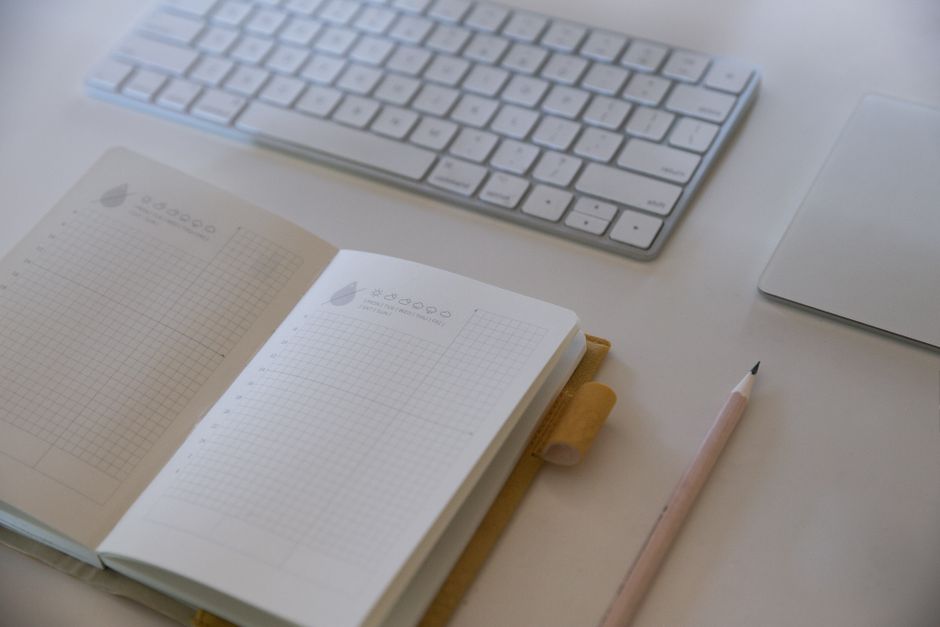
It's an ordinary weekday morning, and your browser tab row is already cluttered with a dozen open sites. You sit at your desk, glancing at your calendar filled with back-to-back meetings, and feel the familiar tug of anxiety as Slack notifications pop up, stealing your attention. You know you need to focus on the top three tasks for the day, but the thought of switching gears feels overwhelming. Each reminder popup seems harmless until it eats away at your next ten minutes, leaving you scrambling to catch up.
In this moment of planning reset, the default routine of checking emails and responding to messages feels like a necessary step. However, this habit often leads to task switching that disrupts your workflow and drains your energy. Instead of diving into your focus block, you find yourself juggling notifications and calendar alerts, which only adds to the chaos. A simple adjustment, like rewriting your top three tasks on a visible task list, can help anchor your attention and streamline your day, allowing you to reclaim focus without the burnout that often follows a scattered approach.
The Default Planning Routine: A Common Scene
Sitting at a cluttered desk, a remote worker stares at the browser tab row, which is filled with open emails, project management tools, and Slack notifications. It’s an ordinary weekday moment, and the task of planning the day seems straightforward. With a quick glance at the calendar, they jot down a few tasks on a notepad, thinking it will set the tone for a productive day. However, this initial simplicity masks the complications that arise as notifications begin to pop up, drawing attention away from the planned focus block.
What feels reasonable at first quickly spirals into chaos. Each notification—a reminder for a meeting or a message from a colleague—pulls them into a cycle of task switching. The act of rewriting the top three tasks on the visible task list gets overshadowed by the urgency of responding to messages. This constant interruption not only disrupts their workflow but also leads to a creeping sense of burnout. Instead of diving into the focus block, they find themselves entangled in a web of distractions, where the simple act of planning becomes a hurdle to maintaining attention. A small adjustment, like prioritizing the visible task list before engaging with notifications, could help reclaim that lost focus, but it often gets overlooked in the rush to check off tasks.
Where the Default Method Falls Short
During an ordinary weekday, the desk is cluttered with open tabs, each one a potential distraction. As the remote worker sits down to plan the day, the first task is to rewrite the top three priorities on their visible task list. However, before they can even jot down the first item, a Slack notification pops up, pulling their attention away. This interruption seems harmless but quickly escalates into a ten-minute delay as they respond to messages and check emails, leaving the original task behind.
The default routine of jumping between tasks creates cognitive overload. Each time they switch from planning to responding, they not only lose focus but also the mental momentum needed for a productive workflow. Notifications from Slack and email disrupt the flow, making it difficult to regain concentration. The act of rewriting those top three tasks becomes overshadowed by the urgency of replying to colleagues, which in turn leads to frustration. Instead of a clear focus block, they find themselves in a cycle of task switching, where every ping feels more pressing than the original plan.
A practical adjustment could be to establish a visible task list before engaging with any notifications. Placing this list prominently on the screen acts as a reminder of what truly matters for the day. By prioritizing this task list first, they can create a mental checkpoint that helps mitigate the impact of distractions. However, this step often gets overlooked in the rush to check off tasks, leaving them vulnerable to the weak points of their routine when pressure mounts.
A More Workable Alternative: The Focus Block
During a typical weekday, the browser tab row is filled with multiple open pages, each vying for attention. Notifications from Slack and email pop up, demanding immediate responses and fragmenting focus. A simple yet effective shift in routine can help manage this chaos and enhance productivity without leading to burnout.
- Establish a focus block: Set a timer for 25 minutes and commit exclusively to the top three tasks on your list. This creates a clear boundary for work, allowing you to dive deep without interruptions.
- Turn off notifications and close unnecessary tabs. By minimizing distractions, you can maintain a clearer mental space, making it easier to stick to your focus block.
- Before starting, place a visible task list on your screen. This acts as a constant reminder of your priorities, helping you resist the urge to switch tasks when a notification pops up.
Implementing this focus block not only structures your work session but also creates a tangible difference in how your time is managed. By prioritizing this setup, you can transform the overwhelming task-switching pattern into a more manageable workflow. The act of closing tabs and silencing notifications may feel like a small adjustment, but it significantly reduces the mental clutter that often leads to burnout.
The Tradeoff: Simplicity vs. Structure
A slightly different version of this problem appears in Managing Energy Not Time, where the sequence changes but the hidden drag feels familiar.
On a typical meeting day, the browser tab row fills up quickly, each tab representing a different task or notification. The temptation to check Slack or email is strong, pulling focus away from the main objectives. This default routine, while seemingly simple, often leads to a fragmented work session, where productivity is lost in the chaos of switching tasks. Each time a notification pops up, it steals precious minutes—like a reminder that interrupts a flow state, causing a ripple effect that can derail the entire day.
By contrast, adopting a structured approach through a focus block requires more initial setup but pays off by reducing those switching costs. Instead of diving headfirst into the day’s tasks, take a moment during your planning reset to rewrite the top three tasks on your list and place them prominently on your screen. This visual cue serves as a constant reminder of priorities, making it easier to resist the urge to check notifications. While it may feel like giving up the ease of immediate access to messages, the tradeoff is worth it; maintaining focus on key tasks can lead to deeper engagement and ultimately better outcomes.
However, the challenge remains: ingrained habits die hard. The pull of instant gratification from notifications can create a feeling of missing out, leading to resistance against this structured method. Yet, by acknowledging this friction and committing to the focus block, you can transform your workflow habits. The simplicity of checking notifications comes at the cost of a scattered mind, while a structured approach fosters a more intentional use of time, paving the way for sustained productivity without the burnout.
When the Focus Block Fits Best
If this pattern keeps repeating, Focus Without Burnout extends the idea without leaving the niche.
On days packed with back-to-back meetings, distractions can multiply quickly. Your browser tab row might flash with notifications, and each ping from Slack or email can steal precious focus. This is where implementing a focus block becomes essential. Before diving into new tasks, take a moment to reset your mind. Close all unnecessary tabs and silence notifications. This creates a dedicated space for your top priorities.
During an ordinary weekday, you might find yourself glancing at a reminder popup, only to realize ten minutes have slipped away. Instead, designate a focus block of 30 minutes where you commit to your most critical tasks. Start by writing down the top three tasks on a visible task list. Place this list in a prominent spot on your desk or even as the first tab in your browser. This visual cue serves as a constant reminder of what needs your attention, making it easier to resist the temptation of distractions.
As you settle into the focus block, acknowledge that the tradeoff is significant. You’re choosing to ignore the immediate gratification of notifications for the deeper engagement that comes from concentrated work. The cost of task switching is high; every time you pivot to check a message, it disrupts your workflow, leading to a scattered mind. By committing to this focused time, you can navigate through your day with intention, fostering productivity without the risk of burnout.
During a busy meeting day, it’s easy to let calendar overload dictate your focus. Notifications from Slack or email can pull you away from your tasks, making it feel impossible to maintain a steady workflow. Instead of letting these distractions dictate your day, take a moment to intentionally rewrite your top three tasks on a visible task list. Place this list in front of you on your desk or as the first tab in your browser. This simple act creates a clear focal point amidst the chaos of notifications.
When you commit to a 30-minute focus block, you’re not just blocking out time; you’re actively choosing to prioritize deep work over the fleeting satisfaction of checking messages. Each time you resist the urge to switch tasks, you build a stronger habit of attention management. As you wrap up your planning reset, remember to check that task list before diving back into your tabs. This small action can anchor your focus and help you navigate through your day without the risk of burnout.