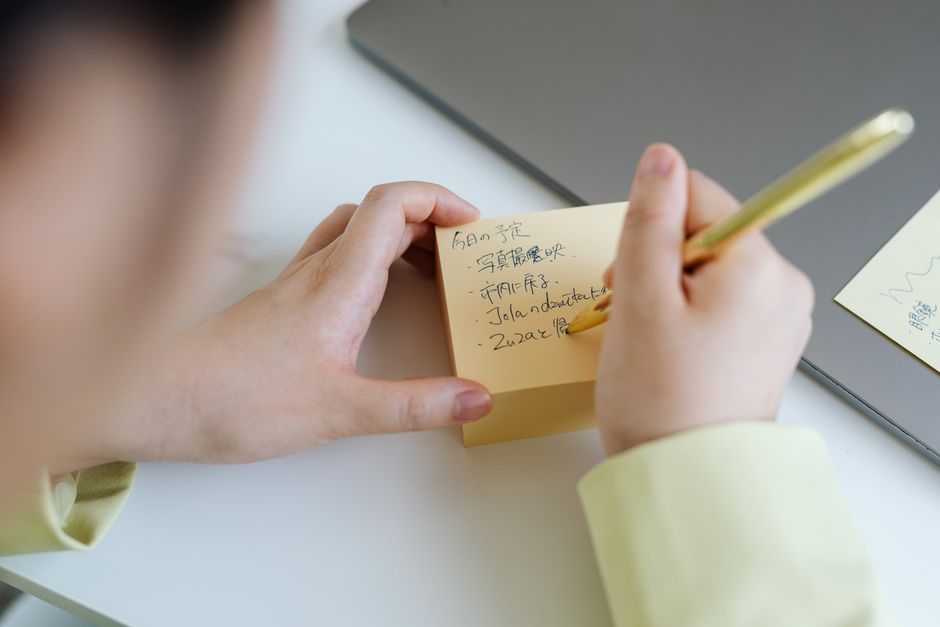
It's a typical Wednesday afternoon, and the office is buzzing with the low hum of keyboards and muted conversations. You sit at your desk, glancing at your task notebook, where the top three tasks for the day are neatly listed. The plan seems straightforward: tackle the most pressing project first, but as you prepare to dive in, a familiar friction arises. You check your calendar, noting the upcoming meetings and deadlines, but this quick glance often leads to an unexpected detour—tabs start opening, notifications ping, and suddenly your focus begins to slip away.
This moment of checking your calendar can trigger a cascade of task switching, pulling you away from that deep-work block you intended to protect. The simple act of checking your calendar can morph into a distraction, leading you to open multiple tabs and scroll through emails. To counter this, consider closing any unused tabs before starting your session, and keep one muted notification window open to minimize interruptions. This small adjustment can help maintain your focus and energy, allowing you to engage fully with your work without the looming threat of burnout.
The Task That Seems Simple Until It Isn’t
On an ordinary weekday, the office worker sits at their desk, the task notebook open to a fresh page. The top three tasks are neatly listed, a mix of urgent and important items that demand attention. This setup feels straightforward, but the moment they reach for the calendar to check deadlines, a familiar pattern begins to unfold. A quick glance turns into a scrolling session through emails, and suddenly, the focus on that first task starts to wane.
As the calendar loads, the screen fills with reminders and meetings, each one a potential distraction. The initial intent to prepare for a focused work session quickly morphs into task switching. Tabs begin to open, notifications ping, and the deep-work block they aimed to protect feels increasingly fragile. To counter this, a small adjustment can be made: close any unused tabs before even checking the calendar. This action minimizes the temptation to dive into other tasks and keeps the focus anchored on the priority list.
Before they open the work document, they take a moment to mute one notification window, a simple yet effective step to reduce interruptions. This minor tweak—closing tabs and muting notifications—creates a buffer against the distractions that tend to creep in during these planning resets. As they prepare to dive into their first task, it’s clear that even the simplest actions can have a significant impact on maintaining focus without burning out.
The First Sign of Slipping Focus
If this pattern keeps repeating, Managing Energy Not Time extends the idea without leaving the niche.
During a typical weekday, the task notebook sits open, filled with neatly written top three tasks. Yet, as the clock inches closer to the afternoon dip, the routine begins to falter. The calendar check, intended to confirm the next meeting, disrupts the flow. Instead of simply glancing at the time, the office worker finds themselves scrolling through upcoming appointments, which pulls attention away from the work session.
Multiple tabs already clutter the screen, each representing a different task or project. The temptation to dive into one of them grows stronger as the calendar reveals a looming deadline. Just then, a notification window pops up, pinging with a new message. This moment marks the first sign of slipping focus, as the mind shifts from the priority list to the distractions waiting in those open tabs.
To counter this, a small yet effective adjustment can be made: close all unused tabs before checking the calendar. This simple action can help maintain the focus block, ensuring that only relevant tasks remain visible. By muting the notification window right after closing those tabs, the worker creates a more controlled environment for deep work. Each of these actions—closing tabs, muting notifications—serves as a protective barrier against the distractions that threaten to derail their focus. The cost of task switching becomes clear, as it not only interrupts the current flow but also makes it harder to return to the intended work session.
Why Task Switching Derails Focus
This same friction shows up again in Focus Without Burnout, especially when the day tightens unexpectedly.
During a typical afternoon work session, the office worker sits at their desk, glancing at the task notebook open beside their laptop. The top three tasks are neatly listed, yet the moment they check the calendar, a nagging thought creeps in: what if they need to handle something else? This leads to a quick click through several open tabs, each one a potential distraction. The mental load from juggling these tasks becomes evident, as the worker’s attention shifts from the priority list to the multitude of notifications and information fighting for their focus.
Every time a new tab is opened, the cost of task switching increases. The worker feels the pressure of multiple deadlines, and the intention to focus on the primary task fades. Closing unused tabs before checking the calendar can significantly cut down on this friction. By doing so, they reduce the clutter on their screen and create a more streamlined environment for deep work. Even muting the notification window becomes essential, preventing interruptions that would otherwise derail their workflow. This hidden step of managing distractions is often overlooked, yet it plays a crucial role in maintaining productivity without succumbing to burnout.
A Simple Adjustment to Maintain Flow
During a typical weekday, the office worker sits down at their desk, glancing at the task notebook filled with neatly written priorities. The top three tasks are always visible and never rewritten, but the clutter of open tabs on the browser threatens to derail their focus. Instead of diving into the work document, they take a moment to close all non-essential tabs. This simple act clears the visual noise, allowing the worker to concentrate on the task at hand without the distraction of multiple notifications vying for attention.
After closing the tabs, the next step involves setting a timer for a focused work session. This creates a defined period for deep work, which can help maintain momentum. The worker then mutes notifications on their phone and computer, ensuring that no pings or alerts will disrupt their flow. This sequence change—from checking the calendar first to managing distractions—profoundly impacts their ability to stay engaged. By prioritizing a clean workspace and a focused environment, they significantly reduce the chances of burnout during this critical work block.
As they prepare to start, the worker notices that the energy levels often dip in the afternoon. Recognizing this, they decide to make this focused work session a priority before the inevitable slump. By establishing this routine of closing tabs, muting notifications, and timing their work, they create a more conducive environment for productivity. The contrast between a cluttered screen and a streamlined workspace becomes increasingly clear, reinforcing the importance of these adjustments in maintaining focus without burnout.
The Ripple Effect of Small Changes
During a typical weekday moment, the office worker sits at their desk, glancing at the task notebook that holds the top three tasks for the day. These tasks are never rewritten, ensuring clarity and focus. Before diving into the work session, they check their calendar, but instead of letting it dictate their next move, they focus on closing unused tabs on their computer. This simple act creates a cleaner screen, reducing the temptation to switch tasks impulsively.
As they prepare for the upcoming focus block, they mute notifications on their phone and computer, creating a distraction-free zone. This adjustment directly influences their ability to maintain deep work blocks without interruptions. The worker notices that this small change not only enhances their focus during the work session but also preserves their energy for afternoon tasks, which often suffer from the dreaded energy dip.
By prioritizing a clean workspace and minimizing distractions, they set the stage for sustained attention management. The contrast between a cluttered digital environment and a streamlined one becomes evident, reinforcing the importance of these adjustments. As they settle into their focused work session, they feel a sense of control, knowing that they’ve created a conducive atmosphere for productivity. This ripple effect of minor adjustments leads to a more manageable workflow, ultimately allowing them to tackle the afternoon with renewed vigor.
As you prepare for your next work session, take a moment to close any unused tabs on your browser. This simple action reduces the temptation to switch tasks mid-session, which can disrupt your focus. Instead of diving into a sea of distractions, you’ll find that a clean digital workspace allows for a smoother transition into your deep-work block. With only the essential documents open, your attention can remain anchored on the top three tasks listed in your notebook, ensuring clarity in your workflow habits.
Before you even open your working document, check your calendar for any looming deadlines or meetings. This quick glance can help you prioritize your focus block effectively, allowing you to allocate your energy where it’s needed most. By integrating this small check into your routine, you’re not just managing your time; you’re actively preventing burnout by setting realistic expectations for what you can achieve in that session.