It's a Wednesday afternoon, and the cluttered desktop is filled with half-opened documents, a muted notification window, and a calendar block that promises a focused work session. Yet, as the cursor hovers over the document icon, an email notification pops up, pulling attention away. This moment of indecision reveals a common friction: the calendar gets checked before the working document opens, leading to a cascade of task switching that derails the intended focus.
In this busy environment, the energy-aware planner knows that the afternoon dip can make or break productivity. However, the temptation to check one more email or adjust the calendar block often leads to a missed opportunity. This seemingly minor detail can shift the balance between maintaining focus and succumbing to burnout, illustrating how easily good intentions can falter under the pressure of daily task management.
Caught in the Clutter: A Common Freelancer Scenario
The desktop monitor edge is lined with a chaotic array of half-opened documents and multiple browser tabs, each vying for attention. Amidst this clutter, the muted notification window sits like a ticking clock, a reminder of the tasks that linger. As the freelancer glances at the calendar block, a sense of overwhelm washes over them. The afternoon sun casts a shadow across the screen, signaling that the energy dip is approaching. Yet, instead of diving into the next task, there's a moment of hesitation.
This friction point illustrates a common scenario: checking the calendar before engaging with the work document can lead to unnecessary task switching. The calendar block, intended to streamline focus, instead becomes a source of anxiety as the freelancer grapples with the sheer volume of tasks ahead. The clutter on the screen not only obscures the next actionable step but also complicates the decision-making process. To regain control, a simple yet effective move is to close unused tabs and minimize distractions. This small adjustment can help clear the mental fog, allowing for a more focused work session. However, the temptation to check just one more email lingers, highlighting the delicate balance between maintaining focus and risking burnout. The First Decision That Disrupts Focus At the edge of a cluttered desktop, the freelancer hesitates, glancing at the calendar block filled with tasks for the afternoon. The temptation to check email notifications before diving into the working document feels overwhelming. This seemingly harmless choice often leads to a cascade of distractions.
- Checking emails first leads to task switching, making it harder to regain focus.
- New messages can create a sense of urgency, overshadowing the original task.
- The clutter on the screen, including multiple tabs and notifications, complicates decision-making.
The energy dip in the afternoon is palpable, yet the choice to check emails first creates a friction point that disrupts the workflow. To counteract this, a quick utility move is to close unused tabs and mute notifications. This simple act can help clear the mental clutter, allowing for a more focused approach to the next task.
The Cost of Task Switching: A Hidden Drain
Each time the email app pings, it pulls focus away from the task at hand, leading to a noticeable loss of momentum. The initial urge to check messages can feel like a quick win, yet it often leads to a spiral of distractions that eats into precious work time.
The moment the freelancer clicks on the email tab, the original task fades into the background. The energy dip that typically hits in the afternoon intensifies, as the mental fatigue from task switching weighs heavily.
To mitigate this, a practical check involves closing all unused tabs and muting notifications before starting a work session. This small adjustment can help maintain the energy needed to tackle the task effectively. Yet, despite these efforts, the lingering question remains: how many more times will the freelancer fall into the trap of task switching before realizing its true cost? The tradeoff of a fleeting distraction often leads to a longer recovery time, making it clear that every choice carries weight in the quest for sustained productivity.
A More Effective Decision Rule for Energy Management
A slightly different version of this problem appears in Managing Energy Not Time, where the sequence changes but the hidden drag feels familiar.
On a typical weekday, the freelancer sits at their cluttered desk, glancing at the calendar block filled with tasks. Opening the email tab feels like a quick win, but it often leads to a spiral of distractions. This choice, made in a moment of pressure, can derail focus and lead to burnout as the afternoon energy dip approaches.
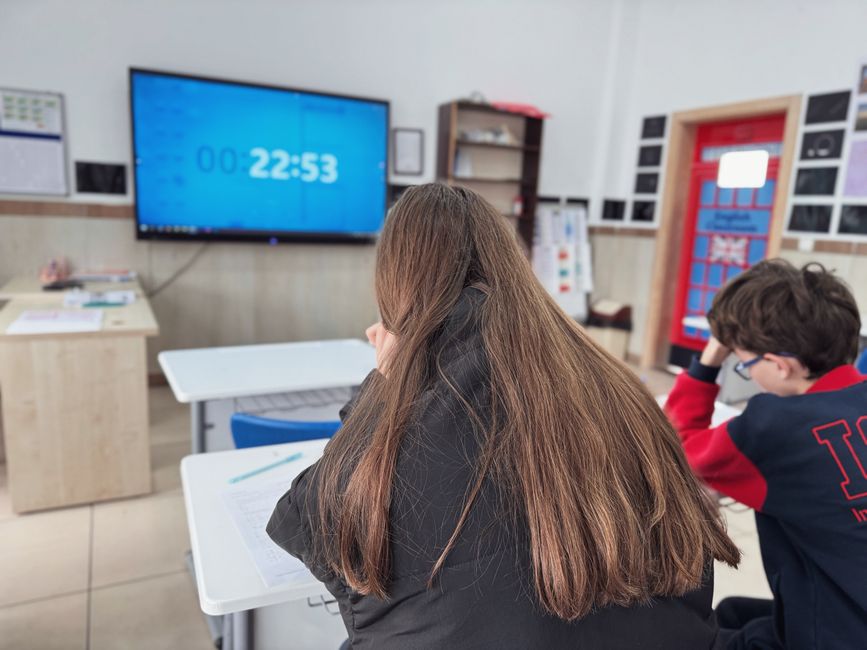
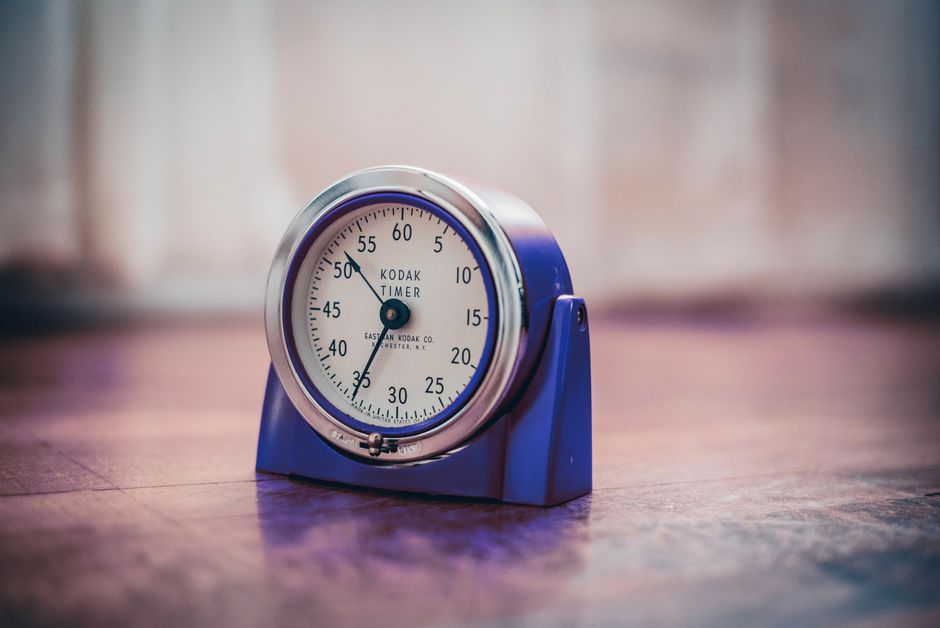
Shifting the routine can yield better results. Instead of succumbing to the email temptation, the freelancer closes all unused tabs and sets a timer for focused work, perhaps 25 minutes. With the timer ticking down, they dive into the task, making substantial progress before the inevitable distractions can creep in.
On a crowded day, this decision rule stands out. By prioritizing the task at hand and minimizing task switching, the freelancer avoids the mental fatigue that comes from jumping between emails and work documents. The act of setting a timer serves as a commitment to focus, reinforcing the importance of managing attention effectively. In contrast to the earlier choice, this approach not only enhances productivity but also fosters a healthier workflow, making it easier to tackle subsequent tasks without the weight of burnout.
What Runs More Smoothly After That
If this pattern keeps repeating, Focus Without Burnout extends the idea without leaving the niche.
When the freelancer closes unused tabs on their desktop monitor, the clutter clears, and focus sharpens. With a muted notification window in place, the temptation to check emails fades, allowing for a seamless transition into the task at hand. The calendar block, once a source of stress, now serves as a clear guide, directing attention to what truly needs to be accomplished.
As the timer ticks down, a noticeable shift occurs. This decision to minimize task switching pays off, as they find themselves making substantial progress. Each minute spent focused builds momentum, reducing the mental fatigue that often accompanies constant interruptions.
By repeating this method, the freelancer cultivates a workflow habit that not only enhances daily productivity but also sets a foundation for the next tasks. The energy-aware planning leads to a more manageable afternoon, where the pressure to perform lessens, and the likelihood of burnout diminishes. The act of closing tabs isn't just a small adjustment; it becomes a cornerstone for maintaining focus and managing attention effectively.
As the afternoon dip approaches, the freelancer glances at the cluttered edge of their desktop monitor. This moment illustrates how easily intentions can slip when overwhelmed by the noise of notifications and the temptation to switch tasks.
Before diving into the next task, a quick check of the calendar block can help realign priorities. By ensuring that the most pressing task is prioritized and that unnecessary tabs are closed, the freelancer can carve out a focused work session. This small adjustment in setup not only clears the mental clutter but also reinforces a workflow habit that keeps burnout at bay. The next time they sit down to work, remembering to check the calendar before opening any document could be the key to maintaining that focus without the weight of burnout creeping in.