It's a Tuesday morning, and the cluttered desktop is filled with open browser tabs, each vying for attention. As the clock approaches 10 AM, the intention to dive into a focused work session feels increasingly distant. Instead of settling into a deep-work block, the office worker finds themselves caught in a cycle of task switching, responding to messages and checking updates, all while the primary task languishes in the background.
Each ping from Slack pulls focus, breaking the rhythm of thought and making it hard to regain momentum. The calendar is packed with back-to-back meetings, leaving little room to breathe or reassess priorities. In this chaotic environment, the first step often gets lost: rewriting the top three tasks for the day. Without this simple act, the clutter of notifications and the pressure of an overloaded agenda can derail even the best-laid plans, leading to burnout instead of productive focus.
The Routine That Should Work: A Focus Session
The cluttered desktop reveals a chaotic array of open browser tabs and sticky notes, a visual reminder of the tasks awaiting attention. As the clock strikes 10 AM, a scheduled focus block on the calendar looms, promising a chance to dive deep into the work session. Yet, with Slack notifications pinging relentlessly and email alerts flashing across the screen, the intention to minimize distractions begins to fade. Each notification pulls focus, creating a ripple effect that disrupts the flow of thought.
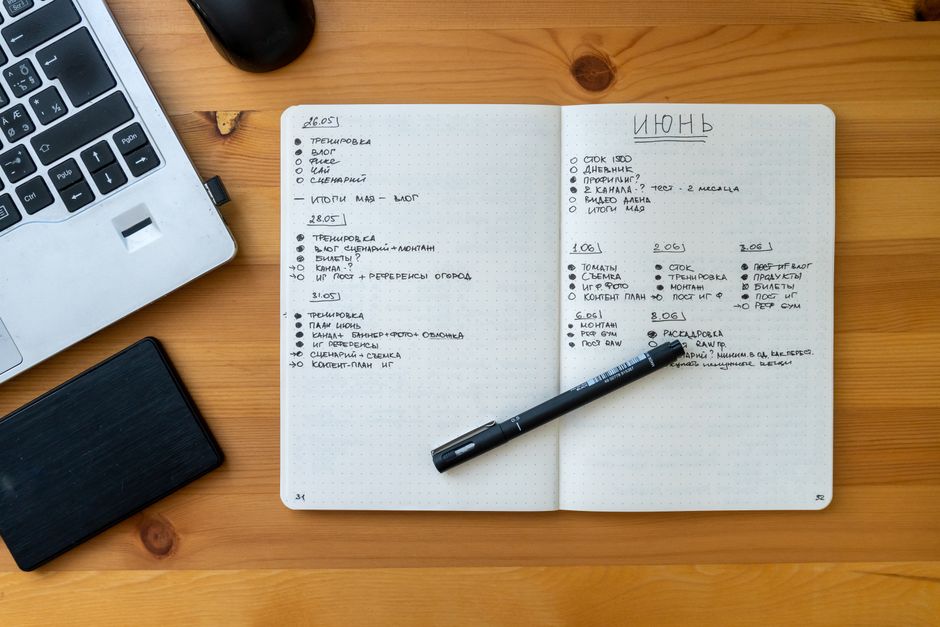
To reclaim the focus session, the first actionable step is to rewrite the top three tasks on a clean sheet of paper, placing it prominently on the desk. This simple act serves as a tangible reminder of priorities amidst the clutter. As the office worker glances at the muted notification window, they can breathe a sigh of relief, knowing that distractions are temporarily silenced. The browser tab row, once a source of anxiety, now becomes a tool for focused work, with only the necessary tabs pinned for easy access. Where Focus Breaks: The First Distraction During a busy weekday, as the clock ticks towards the afternoon, the office worker sits at a cluttered desk, ready for a deep-work block. Suddenly, a notification from Slack pings, pulling focus away from the task at hand. The momentary glance at the screen reveals a new message, and just like that, concentration begins to slip.
- Email pings follow closely, each one a reminder of pending tasks and requests.
- The report stays buried under a growing pile of distractions, making it easy to forget the original goal.
- Task switching becomes inevitable, as the worker feels compelled to respond to messages instead of focusing on the report.
At this point, a practical checkpoint emerges: the worker must mute notifications across all platforms. This small adjustment creates a clearer space for focus. With notifications silenced, the next useful action is to rewrite the top three tasks on a clean sheet of paper, placing it in sight.
Why Distractions Keep Coming Back: A Cycle of Friction
As the office worker stares at the cluttered desktop, a familiar tension builds. The calendar is packed with back-to-back meetings, each one a new demand on time and attention. This overload creates a pressure cooker environment where focus blocks become a distant memory. With each meeting, the original deep-work goal feels more buried, as the mental load from task switching increases. The clutter on the desk mirrors the clutter in the mind, making it hard to find clarity.
Notifications from Slack and email compete for attention, transforming a simple work session into a chaotic series of interruptions. The hidden cause of this cycle lies in the inability to prioritize effectively amidst the noise. Without a clear strategy to manage these distractions, the worker finds it easy to slip into reactive mode, responding to messages instead of focusing on the tasks that truly matter.
To regain control, a practical adjustment is necessary. Mute notifications across all platforms to create a quieter workspace. This small step can reduce the cognitive overload that comes from constant task switching. Next, take a moment to rewrite the top three tasks on a clean sheet of paper, placing it prominently on the desk. This simple act shifts focus back to priorities, cutting through the clutter of competing demands. However, the tradeoff remains: as meetings fill the calendar, the challenge of maintaining a deep-work block persists, requiring ongoing adjustments to workflow habits.
A Simple Correction: Rewriting the Top Three Tasks
A slightly different version of this problem appears in Managing Energy Not Time, where the sequence changes but the hidden drag feels familiar.
During a busy weekday, the clutter on your desk can become overwhelming, especially when meetings stack up on your calendar. This constant barrage of distractions leads to a frustrating cycle of task switching, making it difficult to maintain a deep-work block.
To regain control, start your work session by muting notifications across all platforms. This small but crucial step creates a quieter workspace, allowing you to concentrate without the interruptions that typically derail your focus. Next, take a moment to rewrite the top three tasks you aim to accomplish during this block. Use a clean sheet of paper and place it prominently on your desk, ensuring it’s the first thing you see when you glance up from your screen. This act not only clarifies your priorities but also cuts through the clutter of competing demands.
As you write down these tasks, consider the physical clutter around you. Clear away unnecessary items on your desk that might distract you further. This adjustment, while simple, can significantly enhance your ability to focus. However, the tradeoff is that as your calendar fills with meetings, the challenge of preserving that deep-work block remains. You’ll need to continually refine your workflow habits to protect your focus time amidst the chaos.
After the Correction: A Smoother Workflow
If this pattern keeps repeating, Focus Without Burnout extends the idea without leaving the niche.
With fewer distractions, the focus block transforms into a productive haven. When you mute notifications from Slack and email, the constant pinging subsides, allowing your mind to settle into the task at hand. This shift is crucial; without the barrage of interruptions, each task feels more manageable and less overwhelming.
You take a moment to check your calendar, noting the upcoming meetings, but instead of feeling stressed, you feel prepared. The tasks you’ve prioritized are now clearly outlined on a clean sheet of paper, sitting right next to your keyboard. You can easily refer back to them, which helps maintain your focus during the work session.
In your next time block, you decide to implement a small adjustment: opening only the relevant document and closing all other tabs. This simple act creates a more streamlined workspace, minimizing the chance of task switching. Each minute spent in this focused state reinforces the value of small changes in your workflow habits, illustrating how simple corrections can lead to deeper focus and better outcomes.
On busy meeting days, the clutter of a crowded calendar can easily drown out your focus. This small adjustment creates a quieter environment, allowing you to dive deeper into your task without the constant pull of distractions. When you sit down to work, take a moment to rewrite your top three tasks on a clean sheet of paper, placing it directly next to your keyboard. This not only clarifies your priorities but also serves as a visual anchor, helping you resist the urge to switch tasks.
As you navigate through your work session, remember that each minor change can compound into a more significant improvement in your focus habits. By minimizing interruptions and having a clear task list, you set yourself up for a more productive day. Next time you find your attention wavering, check that your workspace is clear of unnecessary clutter—both on your desk and in your digital environment. A focused approach today can prevent burnout tomorrow.