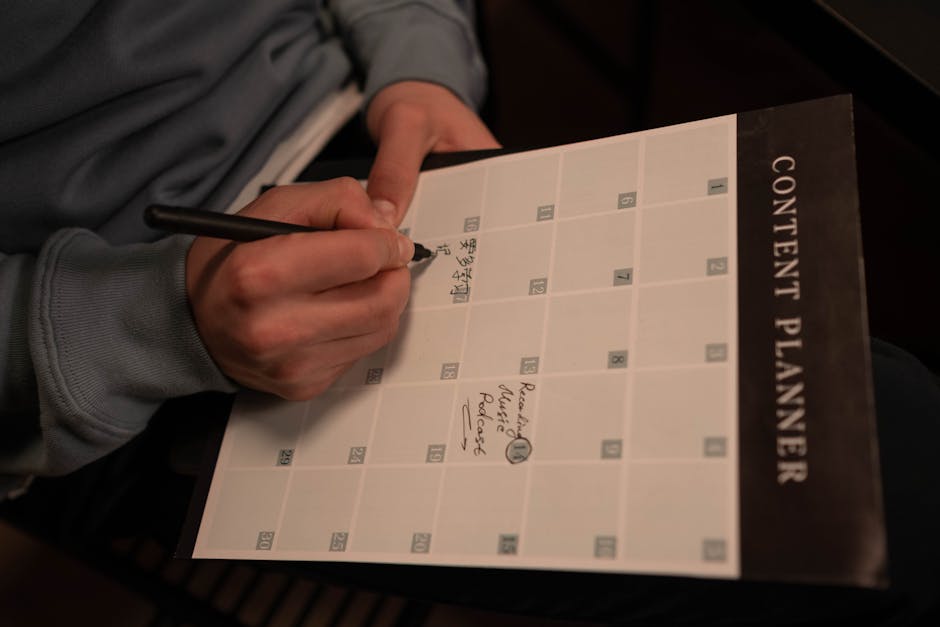
It's a Wednesday afternoon, and the cluttered desk is filled with sticky notes, a half-empty coffee cup, and a task notebook opened to a fresh page. The goal for this focus block is clear: tackle the top three tasks listed, but the moment feels heavy with distractions. A muted notification window sits on the corner of the screen, yet the small admin tasks keep creeping in, making it hard to dive into the real work. Each time a simple email or quick document check interrupts the flow, the initial focus slips away, and the task that seemed straightforward suddenly feels overwhelming.
This friction is often unnoticed in the daily grind. The act of rewriting those top three tasks in the notebook, which should be a simple adjustment, gets overlooked. Instead, the mind shifts to the immediate demands of minor tasks, creating a cycle of task switching that erodes productivity. As the minutes tick by, the focus block intended for deep work becomes a series of fragmented efforts. Recognizing this pattern is crucial; without addressing how these simple interruptions compound, maintaining focus without burnout becomes increasingly difficult.
The Default Routine That Gets Overwhelmed
At a cluttered desk, an office worker sits surrounded by a tangle of notes and a calendar filled with color-coded tasks. The focus block for the day is clearly marked, yet the moment the laptop screen lights up, the small admin tasks begin to creep in. A quick glance at an email notification pulls attention away, and what seemed like a straightforward task morphs into a maze of interruptions. The task notebook, meant for prioritizing the top three tasks, remains untouched, its pages blank as the mind drifts toward the immediate demands of minor tasks.
This seemingly reasonable approach to managing time crumbles under the weight of constant task switching. Each small task, like responding to a quick email or checking a document, feels harmless at first. Yet, as these distractions accumulate, the focus block turns into a series of fragmented efforts. The initial intention of rewriting the top three tasks gets lost, making it harder to return to the deep work intended for the session. The muted notification window in the corner of the screen only adds to the chaos, reminding the worker of what’s left undone. Recognizing this friction is essential; without addressing how these small interruptions compound, the worker risks burnout while trying to maintain focus.
Where Simple Tasks Lead to Burnout
This same friction shows up again in Managing Energy Not Time, especially when the day tightens unexpectedly.
During a typical weekday, the task notebook lies open on the cluttered desk, but its pages remain blank, untouched. The intention to rewrite the top three tasks fades as small admin tasks creep in, each one appearing harmless. Responding to a quick email or checking off a minor request feels straightforward, yet these distractions quickly accumulate. What starts as a focus block morphs into a fragmented work session, where the original deep work intention is lost amidst a flurry of small tasks.
This shift in focus often leads to frustration. The muted notification window in the corner of the screen serves as a constant reminder of what’s left undone, further complicating the workflow. As the calendar block fills with minor tasks, the weak point under pressure becomes clear: the initial decision to tackle simple tasks leads to a cascade of task switching. The top three tasks, which should anchor the work session, never get rewritten, leaving the worker adrift. Recognizing this friction is crucial; without actively managing these interruptions, the risk of burnout increases as the focus erodes.
A More Effective Method to Maintain Focus
A slightly different version of this problem appears in Focus Without Burnout, where the sequence changes but the hidden drag feels familiar.
At the beginning of a busy weekday, an office worker sits at their cluttered desk, flipping open their task notebook. Instead of diving straight into the day’s demands, they take a moment to rewrite their top three tasks, clearly prioritizing the deep work that needs to be accomplished. This simple act of re-evaluating priorities sets a clear intention for the work session, allowing them to focus on what truly matters rather than getting swept away by minor admin tasks that often crowd the calendar block.
To further enhance their focus, they also open a muted notification window on their computer screen, ensuring that distractions from incoming messages or alerts are kept at bay during this critical focus block. This setup contrasts sharply with their previous approach, where notifications would ping constantly, pulling attention away from the deep work at hand. By establishing this clear boundary, the worker can maintain their concentration and effectively navigate the crowded work block, reducing the likelihood of burnout. However, if the top three tasks remain unchanged and unaddressed, the risk of slipping back into a fragmented workflow looms large, reminding them that attention management requires ongoing effort.
The Tradeoff of Switching to a Focused Approach
Adopting a focused strategy during a crowded work block requires careful consideration of what gets sacrificed in the process. The shift from a default task management style to a more intentional approach can feel limiting at first, especially when small admin tasks start to pile up. However, this method can lead to deeper, uninterrupted work sessions that ultimately pay off.
- More upfront planning time is essential; setting aside 15 minutes to prioritize tasks in your notebook can prevent the chaos of last-minute decisions.
- Initially, it may feel restrictive as you resist the urge to tackle small tasks; however, this discipline fosters longer focus blocks, allowing for substantial progress on significant projects.
- While the alternative approach sacrifices the immediate gratification of checking off minor tasks, it rewards you with a clearer path to completing high-priority work, reducing the risk of burnout.
During an ordinary weekday, if the top three tasks in your notebook remain unchanged, the temptation to switch back to less important tasks grows stronger. This shift can disrupt your focus block, leading to fragmented attention and diminished productivity. The tradeoff may seem steep, but it’s a necessary step to reclaim your workflow habits and protect your mental energy.
When That Alternative Fits Better
During a typical Tuesday afternoon, the clutter on my desk mirrors the chaos in my mind. A muted notification window sits open, beckoning me to check off small admin tasks that seem harmless but are insidious in their ability to disrupt my focus block. As I glance at my notebook, the top three tasks remain unchanged, a glaring reminder of my intention to prioritize deep work. This moment becomes a pivotal decision point: do I dive into those minor tasks or stick to my original plan?
Choosing the latter requires a conscious effort to resist the allure of quick wins. Instead of allowing those admin tasks to creep in, I take a moment to rewrite my top three tasks, ensuring they are visible and actionable. This simple act not only clarifies my focus but also reinforces my commitment to the work that truly matters. The act of rewriting serves as a checkpoint, reminding me of my larger goals and the importance of maintaining my attention management.
However, the tradeoff is evident. By focusing solely on these significant tasks, I risk feeling overwhelmed by the backlog of smaller items. Yet, this choice protects my mental energy, allowing me to engage deeply with my work session without the constant pull of task switching. The friction of small tasks can easily cloud my productivity, but by keeping my notebook updated and my focus clear, I can navigate through the noise and stay aligned with my priorities.
As I glance at my cluttered notebook, the temptation to tackle small admin tasks grows stronger, especially during a busy weekday. Each time I shift my attention, I lose precious momentum, and the task that once seemed simple becomes a source of frustration. I realize that without a clear focus block, these distractions can quickly derail my workflow. To combat this, I prioritize rewriting my top three tasks at the start of each work session, placing them front and center in my notebook. This act serves not just as a reminder of what truly matters but also as a safeguard against the creeping chaos of task-switching.
In this moment, I understand the importance of maintaining a muted notification window on my screen. By reducing the noise from incoming messages, I can better protect my focus and energy. The friction caused by small tasks can cloud my productivity, but with a clear plan and a commitment to my primary objectives, I can navigate through the distractions. Next time I sit down to work, I’ll ensure my top tasks are rewritten and my notifications are muted, setting the stage for a productive focus block without the burnout that comes from constant switching.